Key Takeaways
- Regularly reviewing your Social Security statement is crucial for protecting your future benefits and catching errors early.
- Correcting inaccuracies involves organized documentation, timely communication with the SSA, and regular follow-up to ensure lasting accuracy.
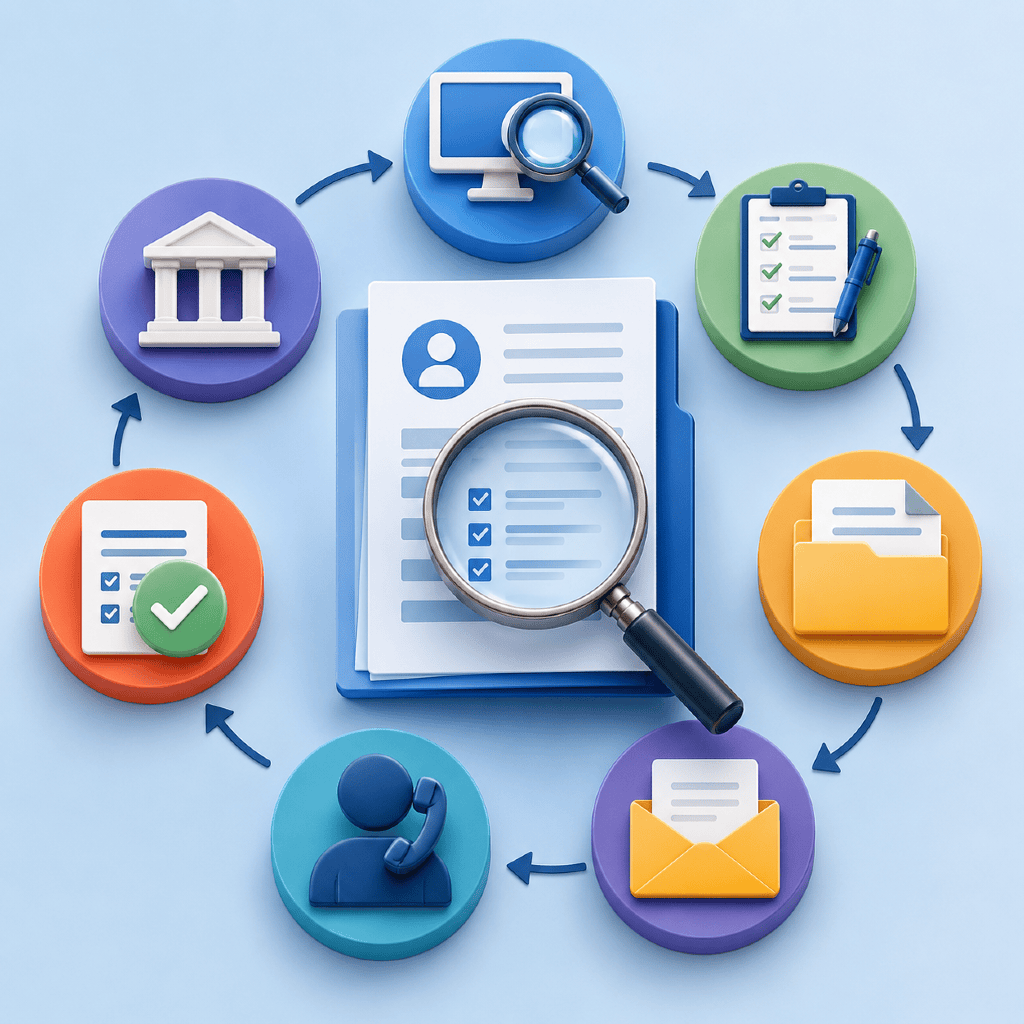
Your Social Security statement is a key resource when planning for retirement. Errors in your record can impact your future benefits, so it’s important to know how to identify and fix them. This article walks you through the seven steps to help ensure your Social Security earnings record is correct and up to date.
Why Check Your Social Security Statement?
Importance of Accurate Records
Your Social Security statement is more than a simple record—it helps determine your eligibility and the amount of retirement, disability, or survivor benefits you may receive. Inaccurate records can result in reduced benefits or eligibility delays. By checking your statement regularly, you take an active role in safeguarding your financial future.
Common Errors People Find
It’s not uncommon to notice issues such as unreported years of work, incorrect earnings amounts, or even incorrect personal details like your name or Social Security number. These mistakes can occur for a range of reasons, but spotting them early is key to resolving them before it’s time to claim your benefits.
What Causes Statement Inaccuracies?
Administrative Processing Errors
Even with modern systems in place, the process for crediting earnings to your record is complex. Clerical mistakes, data transfer issues, or mismatched identification details during processing can cause records to be posted incorrectly.
Reporting Mistakes by Employers
Sometimes, employers may either misreport your earnings or fail to report them entirely. This might happen due to payroll errors, late filings, or using the wrong Social Security number. If you switch jobs, change your name, or work for multiple employers, the chances of such errors increase.
Step 1: Review Your Latest Statement
Where to Find Your Statement
You can access your Social Security statement online by creating a “my Social Security” account at the official Social Security Administration (SSA) website. For those over a certain age, statements may also be mailed periodically. Keeping your login credentials safe and current makes annual reviews easier.
Key Items to Examine Closely
Review both your reported earnings and your estimated future benefits. Focus closely on your annual earnings history section, as this is used to calculate your benefits. Ensure all years of work are included and that your name and Social Security number are accurate.
Step 2: Identify Incorrect Earnings
Spotting Gaps and Discrepancies
Look for missing years, unexpected dips in reported earnings, or figures that don’t match your tax documents. If something stands out—a year is missing, or an amount is unusually low—it could signal an issue that requires further scrutiny.
Differentiating Between Minor and Major Issues
Minor issues might include a small typo or a minor earnings miscalculation, while major issues could mean entire years of work are unlisted or your name is incorrect. Larger discrepancies tend to have a greater impact on your estimated future benefits and should be addressed with urgency.
Step 3: Gather Supporting Documentation
Types of Documents to Collect
Start gathering any documents that verify your work and earnings for the years in question. This could include W-2 forms, tax returns, pay stubs, employment contracts, or statements from employers. If your name has changed, collect documentation such as legal name change records.
How to Organize Your Evidence
Keep these documents organized by year. Make copies of all documents, and keep originals in a safe place. Create a clear list pairing each document with the statement year or error it supports, so the Social Security Administration can quickly verify your correction request.
Step 4: Contact the Social Security Administration
Ways to Report Corrections
You can report errors online via your “my Social Security” account, call the Social Security Administration directly, or visit a local SSA office. Using the method best suited to your comfort and situation helps streamline communication.
What to Include in Your Communication
When contacting the SSA, state the exact issue, provide your supporting documentation, and include all personal details (such as your name, Social Security number, and contact information). Clearly identify the years and figures needing correction and be concise in your description of the problem.
Step 5: Follow Up on Your Correction Request
Expected Processing Times
The time needed for the SSA to process corrections can vary based on the complexity of your case. Typically, it may take several weeks to a few months. Delays are possible if the agency needs to verify employer reports or request additional documentation.
Tips for Tracking Your Request
Keep records of when and how you contacted the SSA, including copies of your submission and notes from any conversations. This will be helpful if you need to follow up. You can also check your statement online periodically for updates or confirmation that the correction has taken effect.
Step 6: Confirm Corrections Are Made
How to Recheck Your Record
Once the SSA contacts you or updates your record, log in to your “my Social Security” account to verify that the changes are reflected in your most recent statement. Review the same sections as before—especially the earnings history and personal information.
When to Reach Out Again
If the corrections are not visible after a reasonable time, or if you receive a notification that your request was denied or incomplete, reach out again with any additional requested documentation. Persistence is key to ensuring your record remains accurate.
Step 7: Prevent Future Mistakes
Regular Review Habits
Get in the habit of reviewing your Social Security statement at least once a year. Mark your calendar or set a reminder to log in to your SSA account for a quick review—especially after job changes or major life events.
Communicating Changes Promptly
Notify the SSA and your employer immediately if you change your name, switch employers, or notice any new errors. Prompt communication helps minimize errors and makes future corrections easier.
What If Issues Persist After Corrections?
Appealing a Social Security Decision
If your correction request is denied or your record remains inaccurate, you have the right to appeal. The official SSA appeals process allows you to present your case and any new documentation. Details are available on the SSA website or at your local office.
Seeking Further Clarification
Sometimes, confusion stems from understanding how Social Security credits earnings or how corrections are applied. Don’t hesitate to ask for clarification from SSA representatives—being proactive can help resolve lingering questions and ensure your record reflects your true earning history.