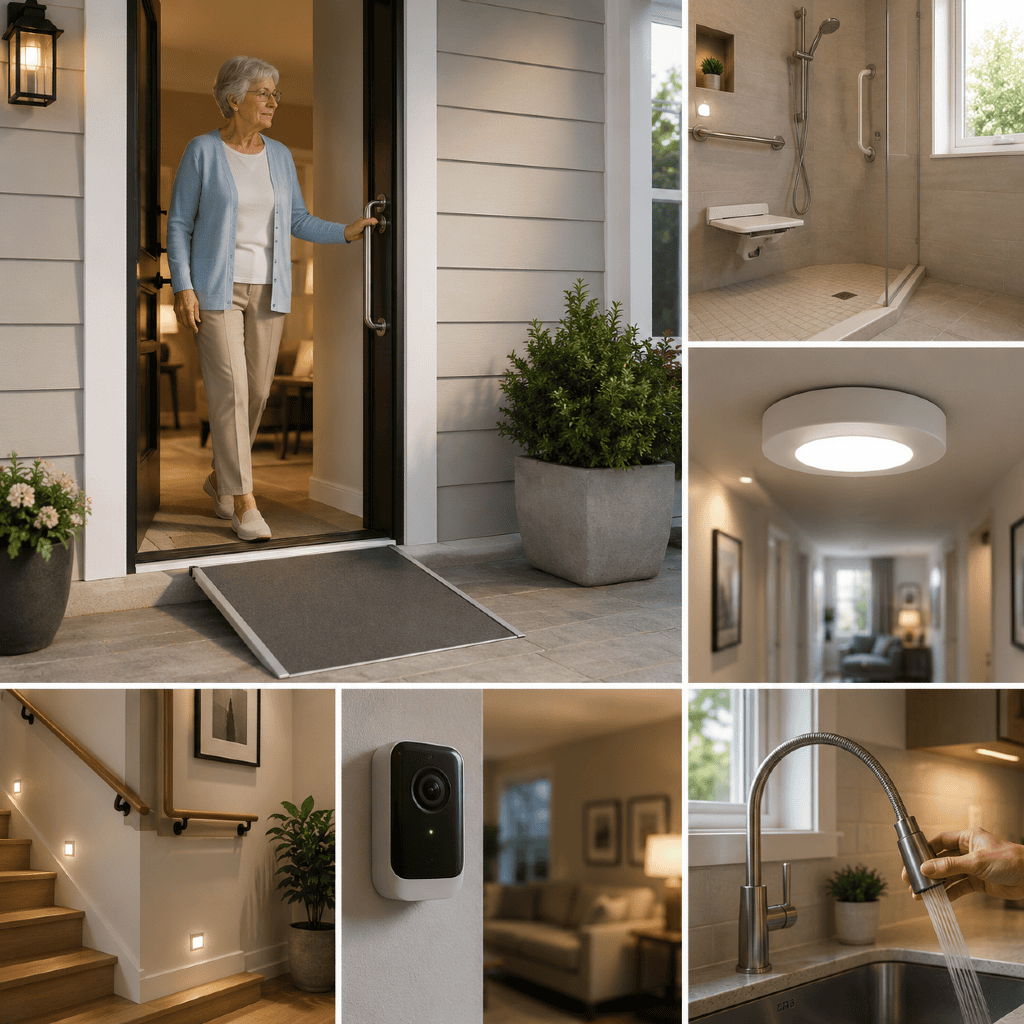
Key Takeaways
- Thoughtful home upgrades make aging in place safer while supporting independence and comfort.
- Understanding compliance standards and emotional benefits ensures effective, empowering modifications.
Many adults over 65 want to remain in their current homes as they age, but many homes aren’t designed for changing needs. How can you adjust your space for long-term comfort, safety, and independence? This article explores the most impactful upgrades and compliance factors to help you age in place with confidence.
What Does Aging in Place Mean?
Aging in Place Defined
Aging in place means remaining in your own home and community as you grow older, rather than moving to an assisted living facility or nursing home. This concept centers on maintaining your independence and comfort, while adapting your living environment to evolving health or mobility requirements.
Common Misconceptions
A common misconception is that aging in place only suits those in excellent health. In reality, with planning and modifications, many people with chronic health issues or limited mobility can also safely stay in their homes. Another misunderstanding is that these adaptations make homes look institutional; many modern solutions are functional while blending with typical decor.
How This Affects Home Design
If you plan to age in place, your home’s design should anticipate future needs—such as reduced mobility or vision changes. Creating adaptable spaces and integrating features like accessible bathrooms, good lighting, and barrier-free entries becomes central to maintaining both safety and quality of life.
Why Prioritize Home Safety Upgrades?
Risks in Traditional Homes
Many traditional homes have hidden hazards: slippery bathroom floors, steep steps, or poor lighting that can increase the risk of falls or accidents. As you age, these risks may grow, especially if mobility, balance, or eyesight change.
How Upgrades Support Independence
Home upgrades focused on safety—such as grab bars, ramps, or improved lighting—are critical in reducing preventable injuries. More importantly, these upgrades help you feel secure and self-sufficient, allowing you to complete everyday tasks without relying heavily on assistance.
Non-Safety Reasons for Upgrading
While safety is primary, there are other advantages. Many upgrades improve comfort and convenience, reduce long-term maintenance, or enhance a sense of dignity by allowing you to manage your daily routine with ease.
Which Upgrades Improve Bath Accessibility?
Grab Bars and Non-Slip Surfaces
Adding sturdy grab bars near showers, bathtubs, and toilets helps with balance and prevents falls. Installing non-slip mats or slip-resistant flooring is also vital for reducing accident risks where water may accumulate.
Zero-Threshold Showers
Zero-threshold or walk-in showers remove the barrier of a raised edge, making it easier and safer to enter or exit, especially if you use a walker or wheelchair. This reduces the likelihood of tripping and offers easier access for those with limited mobility.
Adjusting Fixtures and Seating
Raising the height of toilet seats, installing easy-to-turn lever faucets, and adding built-in or portable shower seating are practical modifications. These elements enable you to move confidently and attend to personal care with less strain.
How Can Lighting Reduce Home Hazards?
Types of Recommended Lighting
Bright, evenly distributed light can make hallways, steps, and work areas much safer. LED fixtures, task lighting by beds or workspaces, and nightlights in bedrooms and bathrooms can all minimize risks from poor visibility.
Where to Add Extra Lighting
Consider enhancing lighting in entryways, staircases, hallways, kitchens, and any place with changes in floor level. Pay special attention to areas prone to shadows or glare, as these can be problematic for older eyes.
Motion Sensors and Automatic Features
Automatic lighting—such as fixtures with motion sensors or timers—reduces the need to hunt for a switch, especially at night. These features are especially helpful for illuminating paths to the bathroom or kitchen.
What Is an Accessible Entryway?
Defining Barrier-Free Access
A truly accessible entryway has no steps or abrupt changes in level, allowing for smooth passage with a wheelchair, walker, or cane. Wide, clear paths are essential to prevent stumbling or crowding.
Widening Doorways and Ramps
Widening doorways makes it easier for mobility aids to pass through. Installing a permanent or removable ramp helps overcome exterior steps, offering seamless access between the outdoors and your home’s interior.
Entryway Lighting and Signage
Ensure your entry is well-lit to prevent tripping and to make locks or doorbells easier to find at night. Large, contrasting numbers or signs make your address easier to locate, which is especially important for emergency responders.
Are Smart Home Features Helpful?
Monitored Security Systems
Monitored systems can enhance your feeling of security, with features like automatic alerts if a door is left open or if smoke is detected. Many systems integrate with other devices for added safety.
Voice-Controlled Appliances
Appliances that respond to voice commands, including lights, thermostats, and entertainment systems, allow you to operate devices hands-free and avoid unnecessary movement throughout your space.
Alert Systems and Reminders
Digital reminders for medications, appointments, or daily tasks support health and routine. Personal alert systems can also notify someone if you need immediate help, adding an extra layer of reassurance.
Compliance Considerations for Aging in Place
Home Modification Standards
Many modifications are guided by standards designed for accessibility, such as those inspired by the Americans with Disabilities Act (ADA). While your home may not require strict commercial compliance, these guidelines can help inform safe design choices.
Awareness of Local Building Codes
Local regulations may specify how ramps, railings, electrical systems, or bathroom modifications should be built. Checking these codes with your municipality helps ensure upgrades are both safe and legally compliant.
Using Reputable Contractors
Work with contractors experienced in home accessibility improvements. They understand both the practical requirements and relevant codes, minimizing costly errors and ensuring modifications are long-lasting and compliant.
What Are the Emotional Impacts?
Supporting Mental Health
Safe, supportive environments reduce anxiety about accidents or dependence, contributing positively to overall well-being and peace of mind.
Sense of Independence
When your home is designed for accessibility, you can continue making your own choices and managing daily life, which is deeply empowering and fosters dignity.
Reducing Caregiver Burden
Appropriate modifications not only increase your safety but also lower the demands on caregivers by allowing you to remain more self-sufficient.