Key Takeaways
- QCDs can help retirees manage required minimum distributions and support charitable causes in a tax-efficient way.
- Understanding eligibility, reporting requirements, and timing is crucial for integrating QCDs into your retirement strategy.
If you’re planning your retirement income or already in retirement, you may have heard about Qualified Charitable Distributions (QCDs). QCDs offer a unique way for certain retirees to support charitable giving goals while helping manage required minimum distributions. Here’s what you need to know about how QCDs work in 2026.
What Are Qualified Charitable Distributions?
QCD definition and retirement context
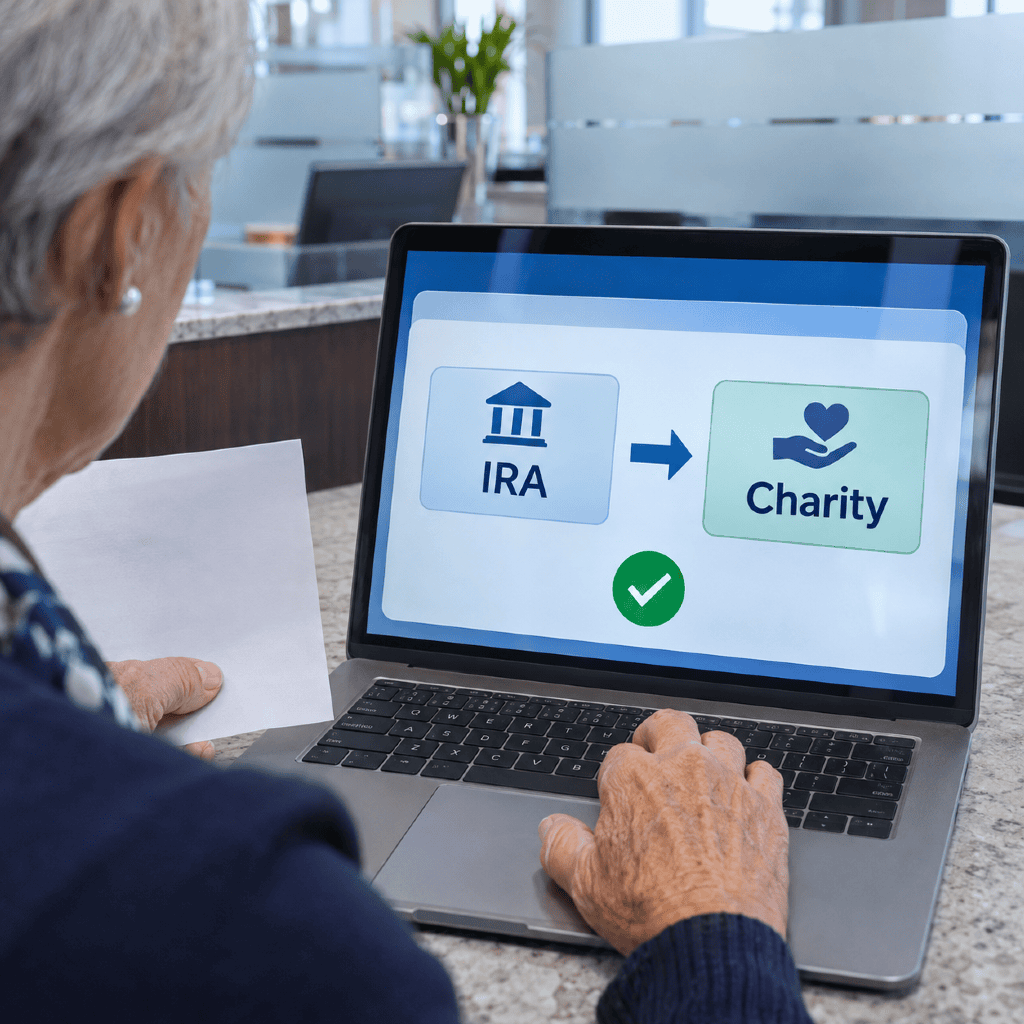
Qualified Charitable Distributions (QCDs) are direct transfers of funds from your individual retirement account (IRA) to a qualified charity. This technique allows you, as a retiree, to make charitable donations that may help satisfy some or all of your required minimum distributions (RMDs), while also providing potential tax advantages. QCDs fit within a broader retirement income plan, offering a method to align your giving with your income needs and tax planning.
Who is eligible to use QCDs?
To use a QCD, you must meet specific eligibility requirements. Typically, only individuals who have reached a designated minimum age—often at or near the age of required minimum distributions—may direct qualified charitable gifts from their IRA. Retirees with traditional IRAs most often use this option to incorporate philanthropy into their withdrawal strategy.
Rules guiding QCDs in 2026
For 2026, QCD rules require distributions to come from an eligible IRA and be sent directly to a qualified charity. Annual limits apply to the total amount you can distribute as QCDs. Not all types of retirement accounts qualify, and not every charitable organization meets the criteria to receive a QCD. Staying informed about the latest Internal Revenue Service (IRS) guidelines helps ensure compliance when planning your annual charitable giving.
Why Consider QCDs in Retirement?
Potential tax implications for retirees
A primary reason retirees use QCDs is their potential to reduce taxable income. When structured properly, a QCD allows you to exclude the donated amount from taxable income, even if you take the standard deduction. This can be especially beneficial if managing taxable income is important to your overall retirement financial plan.
Role of QCDs in IRA withdrawal strategies
QCDs play a strategic role for retirees required to take minimum distributions from their IRAs. If you’re subject to RMDs and want to support charitable endeavors, QCDs let you direct some or all of your required withdrawals to charity, potentially reducing your taxable RMD amount and helping you align your giving with your withdrawal schedule.
How QCDs support philanthropic goals
Giving through QCDs is more than tax efficiency. For many retirees, integrating charitable giving into their retirement plan is deeply meaningful. QCDs provide a tax-aware way to express your philanthropic values, ensuring your gifts make a difference each year of retirement.
How Do QCDs Work for Retirees?
Process of making a QCD
To make a QCD, you instruct your IRA custodian to send the funds directly from your IRA to a qualifying charity. The distribution must never pass through your hands—it must go straight to the charity to qualify as a QCD under IRS rules. Confirm with your account provider that the proper procedures are in place for direct transfers.
Timing and documentation essentials
Timing is critical for QCDs. The distribution must be completed by the end of the tax year for it to count toward that year’s RMD or tax outcomes. Accurate documentation is vital. Keep a written acknowledgment from the charity and maintain records from your IRA provider showing the transaction was a QCD.
Reporting QCDs at tax time
When tax season arrives, report QCDs as distributions from your IRA, even though they’re not included in your taxable income if they meet all requirements. The IRS instructions provide specific details on how to document the QCD on your tax forms. Keep all supporting documentation in case of questions or audits.
What Are Common QCD Misconceptions?
Misunderstood eligibility criteria
Some retirees mistakenly believe all IRA owners can do QCDs, regardless of age or account type. In reality, age requirements and account restrictions apply. Always confirm you meet the current eligibility standards before attempting a qualified charitable transfer.
Tax reporting misunderstandings
It’s a common mistake to assume that QCDs automatically appear as non-taxable on tax forms. In fact, you must properly report the distribution and indicate it qualified as a QCD. If you don’t document it correctly, you may be taxed unexpectedly on your charitable gifts.
Charity qualification confusion
Not all charitable organizations can receive QCDs. Only certain U.S.-based nonprofits meet the IRS definition for QCD eligibility. Gifts to private foundations, donor-advised funds, and certain other entities do not qualify. Carefully check the nonprofit’s classification before making a QCD.
What Should Retirees Consider Before Using QCDs?
Impact on required minimum distributions
A QCD can fulfill part or all of your annual RMD requirement. However, if your QCD total is less than your RMD, you must still withdraw the remaining difference to avoid penalties. Understanding this interaction is key to aligning your charitable giving with RMD obligations.
Coordination with other retirement income
Think about how QCDs fit with your other retirement income sources. For example, if you’re managing taxable pensions, Social Security, or other distributions, QCDs may help reduce your overall taxable income and keep you in a favorable tax bracket.
Recordkeeping and documentation guidelines
Maintain detailed records for every QCD, including documentation from the IRA custodian and written acknowledgment from each charity. Good recordkeeping helps you demonstrate compliance and simplifies reporting when you file your annual return.
Are QCDs Right for Your Situation?
Evaluating personal retirement goals
Ask yourself if charitable giving is a personal priority and if QCDs support your long-term retirement vision. Consider how QCDs align with your anticipated income needs, tax planning, and legacy wishes.
Philanthropy within a retirement plan
Integrating QCDs into your retirement plan ensures your philanthropy is intentional, structured, and advantageous. Review your existing withdrawal plans and see how QCDs might add value to both your giving and your broader retirement strategy.
General checklist for further consideration
- Confirm you meet IRS age and account requirements for QCDs.
- Identify qualifying charities and understand their acknowledgment process.
- Plan QCDs well before year-end to meet deadlines.
- Document each transfer carefully for your records and tax forms.
Frequently Asked Questions About QCDs
Current QCD rules and relevant deadlines
Stay updated on any legislative changes that might impact QCD rules or deadlines. QCDs must be completed within the tax year, so forward planning is critical each year.
Qualifying charities for QCDs
Only established U.S. public charities typically qualify for direct QCD gifts. Private foundations and certain giving vehicles are excluded under IRS rules, so verify each recipient’s status in advance.
QCDs and other charitable giving strategies
QCDs are just one strategy among many for integrating philanthropy into retirement planning. Consider how they compare to other giving options, such as donating non-qualified assets or using structured charitable trusts, and select approaches that best fit your aims.