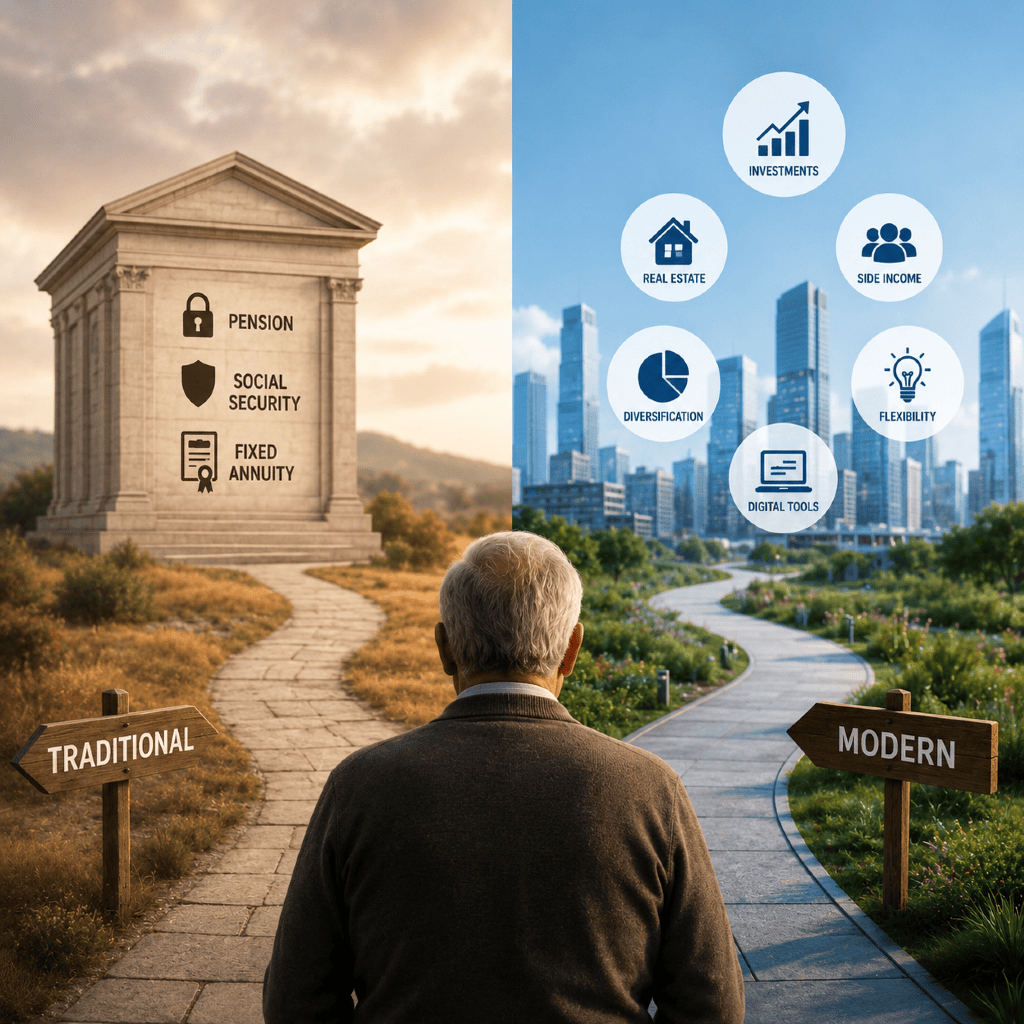
Key Takeaways
- Traditional and modern retirement income plans differ significantly in approach, flexibility, and risk management.
- Evaluating personal needs and understanding evolving strategies is key to making informed retirement income decisions.
Did you know the definition of a ‘retirement income plan’ has shifted significantly in recent years? These changes impact the way you might approach building financial security for your life after work. Let’s explore how retirement income planning has evolved and what it means for your future.
What Is a Retirement Income Plan?
Income planning defined simply
A retirement income plan is your strategy for creating reliable income when regular paychecks stop. The main idea is to match your living expenses with income sources that last throughout retirement, so you can maintain your lifestyle and cover essential costs. This plan often considers the timing, sources, and stability of your income.
Core principles of retirement income
At its foundation, retirement income planning revolves around three core principles: ensuring your basic needs are met, managing cash flows to cover both expected and unexpected expenses, and balancing security with flexibility. The goal is to stretch savings and resources to support your retirement goals over time.
What Are Traditional Retirement Income Plans?
Features of traditional approaches
Traditional retirement income plans used to focus on relatively predictable sources of income. These plans often provided a clear transition from work to retirement, emphasizing fixed strategies rather than adaptation over time. Approaches typically involved fewer moving parts, as many retirees relied on structured benefits.
Typical sources of income
Historically, traditional income sources included Social Security, employer pensions, and personal savings. The idea was that these three legs—the “three-legged stool”—would combine for a stable financial foundation. Retirees often planned for predictable monthly payments from these sources, supporting a more straightforward budgeting process.
How Do Modern Income Concepts Differ?
Recent developments in retirement planning
In recent years, the retirement landscape has changed. There’s been a shift from employer pensions to self-directed savings plans, requiring you to take a more active role in planning and managing your retirement income. Modern approaches emphasize integrating a wider range of options, like drawing down investment portfolios, considering part-time work, or using adjustable withdrawal strategies.
Flexibility and risk considerations
Modern plans recognize the need for adaptability—life expectancy is longer, healthcare costs can be unpredictable, and markets can fluctuate. As a result, newer income concepts encourage flexibility. Planning now involves reevaluating income streams, managing withdrawal rates, and balancing safe, stable income sources with investments that may carry higher risk and potential reward.
Traditional vs. Modern: Key Differences
Approach to income security
Traditional plans prized income security through predictable, often guaranteed streams. Your focus was on ensuring core expenses were met with payments that didn’t vary. Modern concepts, by contrast, lean towards building income from multiple, sometimes variable, sources. These may include systematic withdrawals, part-time work, or a blend of fixed and flexible options, adjusting as circumstances change.
Role of savings and spending
Historically, retirees planned to preserve principal as much as possible, using interest or pension benefits for living expenses. In the modern model, it’s more common to draw down savings systematically, balancing short-term needs with long-term security. This change puts a greater emphasis on careful monitoring and adjusting of both spending and investment practices.
What Are the Pros and Cons?
Strengths of traditional models
The main advantage of traditional models is predictability. You’ll know what you’re receiving each month, making it easier to budget and feel secure. There’s simplicity—once set up, there’s little need to actively manage the plan, reducing stress and decision fatigue.
Benefits and trade-offs in modern concepts
With modern income planning, flexibility is a major benefit. You can better respond to changing circumstances, potentially adjust withdrawals, and tap different sources as needed. However, these approaches may require more ongoing attention, greater comfort with risk, and a willingness to review and adapt your strategy over time. For some, this complexity adds opportunity; for others, it introduces unwanted uncertainty.
Which Retirement Plan Suits Your Needs?
Personal considerations to weigh
Choosing the right retirement income approach starts with a clear look at your own needs. Consider your expected expenses, health, longevity, family circumstances, and comfort level with managing investments or adjusting plans as you age. If you value predictability above all, traditional concepts may appeal. If you want room to adapt and personalize, modern approaches could be more suitable.
Questions to ask before deciding
- How steady and predictable do I want my retirement income to be?
- Am I comfortable making decisions about investments or withdrawals?
- Which sources of income do I expect to rely on?
- How might my spending needs change as I age?
- What risks am I willing to accept—and which do I want to avoid?
By reflecting on these questions, you can better align your plan with your goals and comfort level.
How Has Retirement Income Planning Changed?
Drivers behind evolving strategies
The retirement planning environment has become more dynamic due to several factors: increased life expectancy, the fading of traditional pensions, shifting work patterns, and unpredictable financial markets. These realities have driven the development of modern strategies that emphasize flexibility and personal responsibility.
Lessons from past approaches
Looking back, traditional models highlighted the value of security and simplicity. The shift towards modern concepts teaches the importance of adaptability and ongoing evaluation. Integrating lessons from both can help you create an approach that’s resilient, straightforward where possible, and flexible when needed.