Key Takeaways
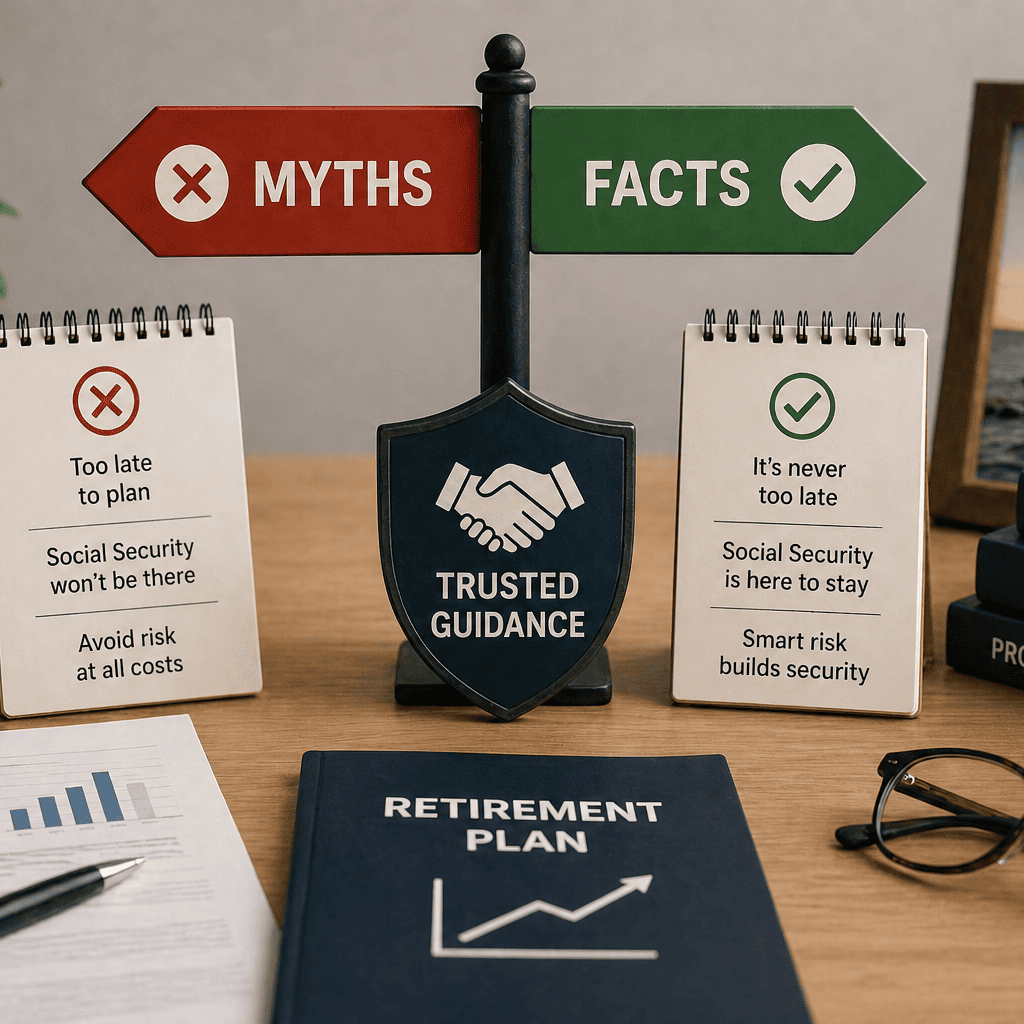
- Understanding retirement income security requires distinguishing persistent myths from factual concepts.
- Evaluating sources and asking the right questions helps you make informed, confident retirement decisions.
Retirement planning is often surrounded by persistent myths that can cloud your understanding of income security and long-term well-being. By separating fact from fiction, you can build a knowledgeable perspective on Social Security, health programs, personal habits, and what truly matters for lasting financial confidence.
What Is Retirement Income Security?
Defining financial security in retirement
Financial security in retirement means having reliable resources to support your lifestyle in your non-working years. This involves more than covering daily expenses—it also means being prepared for unexpected costs and changes in circumstances. True security is rooted in confidence that your essential needs will continue to be met, even as your priorities or situation evolve.
Common sources of retirement income
Retirement income typically comes from several sources working together. The most common include Social Security benefits, employer-sponsored retirement plans (such as traditional pensions or 401(k)s), personal savings and investments, and, for some, part-time work. Public healthcare programs and other benefits may help reduce some out-of-pocket costs, but steady income often depends on having a well-structured mix of resources.
Why Do Myths About Retirement Persist?
Origins of retirement misconceptions
Retirement myths often stem from outdated advice, shifting economic realities, or confusing headlines. For decades, many assumed Social Security would be sufficient or that healthcare would be inexpensive. Changes in policy, healthcare costs, and how people save have left some guidance outdated, yet these myths can persist through word of mouth and even some popular media.
Impact on planning decisions
Believing common myths can significantly influence the decisions you make. For example, you might delay saving, overestimate benefits, or overlook important risks if you’re relying on inaccurate information. This can lead to shortfalls or surprise expenses during retirement, underlining the importance of regularly updating your knowledge based on credible, current sources.
Myth or Fact: Social Security Covers Everything?
Understanding Social Security’s role
Social Security is designed as a foundational income source for retirees but is not intended to replace your full pre-retirement earnings. For most, it provides a portion of needed income, helping to reduce poverty rates among older adults and offering a degree of predictability in retirement budgeting.
Limits of coverage and expectations
It’s important to recognize the limits of Social Security. Benefits are calculated based on your work history and earnings, and while reliable, they typically replace only part of your living expenses. Relying solely on Social Security can leave significant gaps, especially as living costs or healthcare needs increase over time.
Is Outliving Savings a Real Concern?
Longevity trends and their effects
With increasing life expectancies, the possibility of outliving your savings is more relevant than ever. Advances in healthcare and improved living standards mean many retirees spend more years in retirement than previous generations. While this is a positive development, it brings new challenges for making sure resources last.
Planning for a longer retirement
Planning for longevity involves more than just boosting your savings—it’s also about considering how you’ll draw down your assets, adjusting spending habits, and revisiting your strategy as circumstances change. Tools like withdrawal strategies and regular reviews support more confident decision-making and help offset longevity risk.
Can You Rely on Healthcare Programs in Retirement?
Healthcare costs in retirement
Healthcare is often one of the largest expenses faced by retirees. While some costs may be managed through public healthcare programs, many out-of-pocket expenses remain—for items such as medications, dental work, and long-term care. It’s a myth that healthcare will be fully covered once you retire.
What Medicare does—and does not—cover
Medicare, the core federal program for those 65 and older in the United States, covers many types of medical care, but not everything. For example, dental care, vision, most long-term care, and some prescription drugs may require additional planning or supplemental options. Knowing these boundaries empowers you to plan for what isn’t automatically provided, reducing the chance of unwelcome surprises.
What Else Influences Retirement Security?
Role of personal habits and lifestyle
Financial well-being isn’t the only factor in retirement security—your daily habits play a key role, too. Choices around diet, exercise, and preventative healthcare contribute to long-term wellness, which can help manage costs and enrich your retirement years.
Non-financial factors affecting well-being
Personal fulfillment, community engagement, and maintaining social connections are important determinants of retirement satisfaction. Staying socially and mentally active can enhance your sense of security, making retirement not just financially stable but also personally rewarding.
How Can You Separate Myths from Facts?
Evaluating information sources
With so much information available, it’s essential to verify retirement guidance through credible, unbiased sources. Industry regulators, government agencies, and respected non-profit organizations offer well-researched material grounded in current policy and economic trends. Avoid relying solely on word of mouth or casually sourced internet content.
Questions to ask about retirement guidance
When presented with retirement advice, consider the following: Is this information current and specific to today’s conditions? Does it cite credible sources? Are potential risks and limitations clearly acknowledged? By questioning sources and seeking balanced insights, you can move beyond myths and approach your retirement planning with greater confidence and clarity.