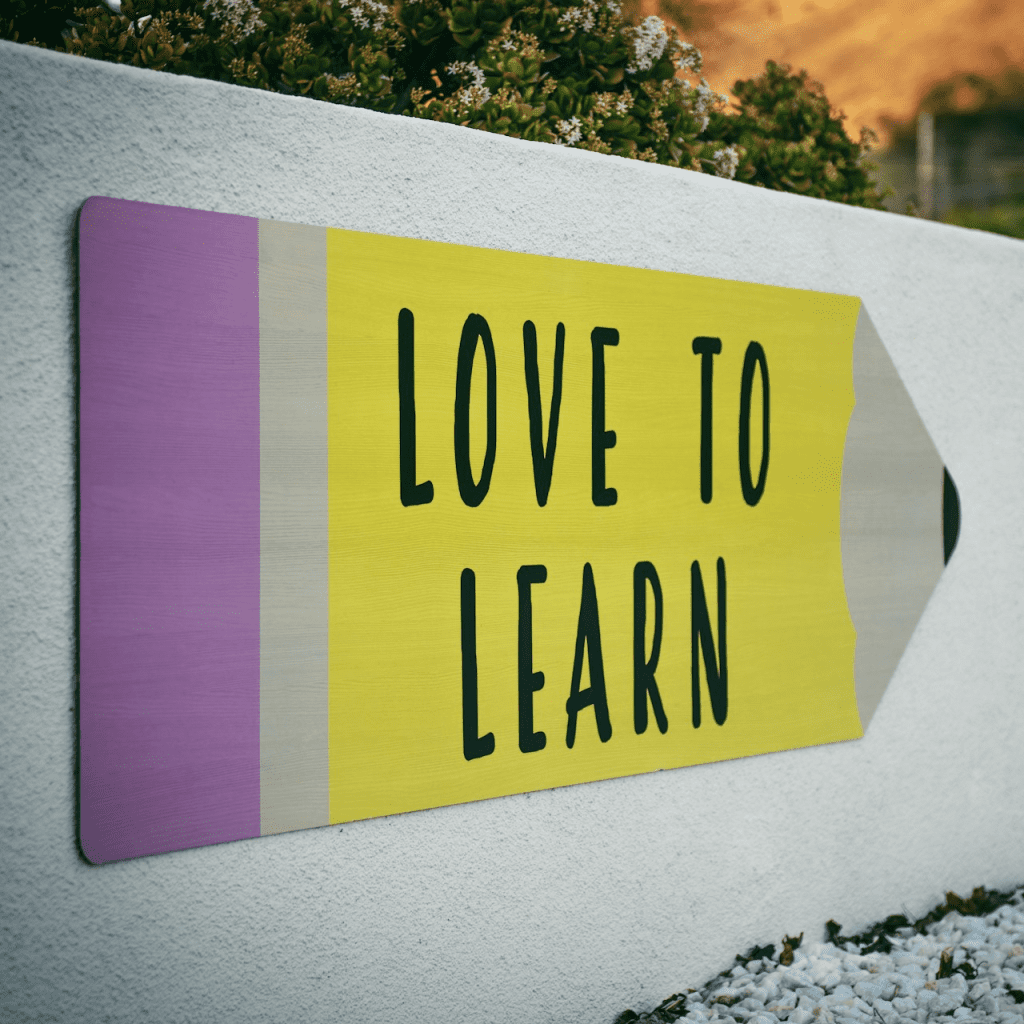
Education in the Golden Years: Continuing Learning for Retirees
Retirement is often seen as a time to relax and enjoy the fruits of a lifetime of hard work. However, many retirees find that lifelong learning can bring a new level of fulfillment and excitement to their golden years. Continuing education offers numerous benefits, from keeping the mind sharp to providing opportunities for social engagement. This article explores the various avenues through which retirees can pursue continuing education and the advantages it brings to their lives.
The Importance of Lifelong Learning
Lifelong learning is the ongoing, voluntary pursuit of knowledge for personal or professional development. For retirees, continuing education can provide a sense of purpose and structure, combatting the feeling of aimlessness that sometimes accompanies retirement. Additionally, staying mentally active through learning can help maintain cognitive function and delay the onset of age-related cognitive decline.
Benefits of Continuing Education for Retirees
-
Cognitive Health: Engaging in intellectually stimulating activities helps keep the brain active, which can improve memory and cognitive function. Studies have shown that learning new skills can enhance neuroplasticity, the brain’s ability to adapt and form new neural connections.
-
Social Engagement: Education often involves interaction with others, whether through classes, study groups, or online forums. These social connections are vital for mental health and can help combat feelings of loneliness and isolation that may arise during retirement.
-
Personal Fulfillment: Learning new things can bring a great sense of accomplishment and satisfaction. Whether it’s mastering a new language, delving into history, or picking up a new hobby, the act of learning can be incredibly rewarding.
-
Adapting to Change: Technology is continually evolving, and keeping up with these changes can be challenging. Continuing education can help retirees stay current with technological advancements, making it easier to navigate the modern world and stay connected with younger generations.
Avenues for Lifelong Learning
-
Community Colleges and Universities: Many educational institutions offer programs specifically designed for older adults. These courses often cover a wide range of subjects, from the arts and humanities to science and technology. Some institutions even offer tuition discounts or free courses for seniors.
-
Online Learning Platforms: The rise of online education has made it easier than ever for retirees to continue learning. Platforms like Coursera, edX, and Udemy offer thousands of courses on virtually any topic imaginable. These courses can be taken at one’s own pace, making them ideal for retirees with varying schedules.
-
Libraries and Community Centers: Local libraries and community centers often host educational workshops, lectures, and classes. These programs provide opportunities for retirees to learn new skills, engage in discussions, and meet like-minded individuals in their community.
-
Lifelong Learning Institutes: Organizations such as the Osher Lifelong Learning Institute (OLLI) offer programs specifically tailored to older adults. These institutes, often affiliated with universities, provide a wide range of courses and activities designed to promote lifelong learning and social engagement.
-
Retirement Communities: Many retirement communities have built-in education programs for their residents. These programs can include guest lectures, arts and crafts classes, book clubs, and more, allowing retirees to learn without leaving their community.
Popular Subjects for Retirees
-
Technology: As technology continues to evolve, many retirees find it beneficial to stay up-to-date with the latest advancements. Courses on computer literacy, social media, and smartphone usage can help retirees stay connected and navigate the digital world with confidence.
-
Arts and Humanities: Courses in history, literature, and philosophy are popular among retirees who enjoy exploring new ideas and perspectives. These subjects provide intellectual stimulation and can inspire meaningful conversations.
-
Health and Wellness: Maintaining physical health is crucial in retirement, and education can play a significant role in this. Classes on nutrition, exercise, and mental health can provide retirees with the knowledge they need to lead a healthy lifestyle.
-
Languages: Learning a new language is an excellent way to keep the mind sharp. It also opens up opportunities for travel and cultural exchange, adding an exciting dimension to retirement.
-
Hobbies and Crafts: Retirement is the perfect time to explore new hobbies or deepen existing ones. Classes in painting, knitting, gardening, and cooking can provide a creative outlet and bring joy to daily life.
Tips for Success in Lifelong Learning
-
Set Goals: Having clear, achievable goals can provide motivation and a sense of direction. Whether it’s completing a course, mastering a new skill, or reading a certain number of books, setting goals can help keep you focused.
-
Stay Curious: Approach learning with an open mind and a sense of curiosity. Being willing to explore new subjects and ideas can lead to unexpected discoveries and interests.
-
Stay Organized: Keep track of your learning schedule and materials. Using a calendar or planner can help you stay on top of assignments and deadlines, ensuring a smooth and enjoyable learning experience.
-
Join a Study Group: Studying with others can enhance the learning experience. Joining a study group or class can provide support, encouragement, and a sense of community.
-
Take Breaks: Learning should be enjoyable, not overwhelming. Make sure to take regular breaks and allow yourself time to absorb and reflect on new information.
Embracing Lifelong Learning
Education in the golden years offers countless benefits and opportunities for personal growth. By embracing lifelong learning, retirees can enhance their cognitive health, stay socially engaged, and find personal fulfillment. Whether through community programs, online courses, or retirement community offerings, the avenues for continuing education are vast and varied. Embrace the joy of learning and make the most of your retirement years with the wealth of knowledge and experiences that lifelong learning provides.