Key Takeaways
- Performing regular insurance audits helps retirees identify coverage gaps as their needs evolve.
- Proper documentation and periodic review of all policies ensure ongoing protection and peace of mind.
Navigating retirement means shifting your priorities and protections. Having the right insurance audit checklist can give you confidence that your home, auto, and liability policies still fit your lifestyle. Here are the key steps to help you manage these important coverages efficiently.
What Is an Insurance Audit Checklist?
Purpose for Retirees
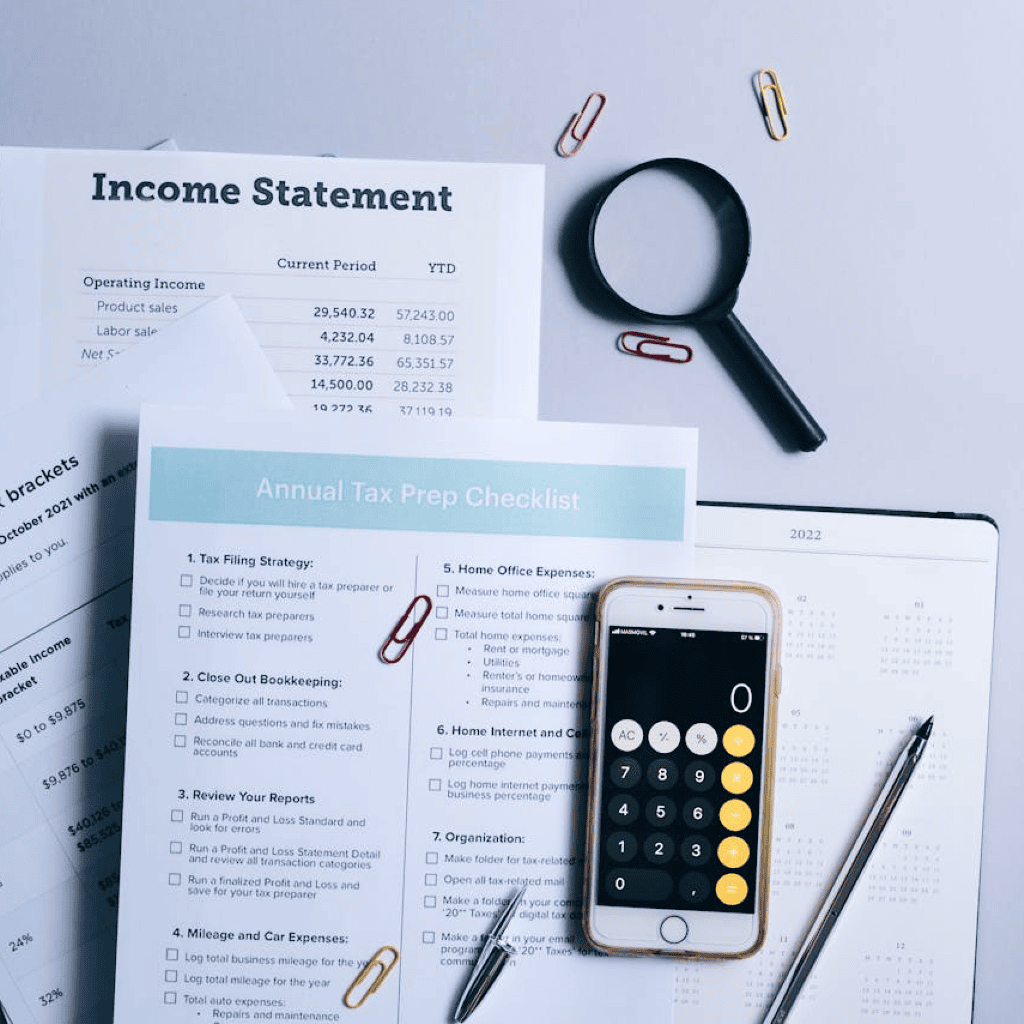
An insurance audit checklist is a structured tool to help you systematically review and evaluate your insurance policies. For retirees, this checklist is important because your financial obligations, living situation, and daily risks may change over time. By following a checklist, you can make sure all your major forms of coverage match your current needs. This approach allows you to catch gaps, avoid unnecessary overlaps, and ensure you remain protected as your circumstances shift in retirement.
Common Checklist Elements
Most insurance audit checklists for retirees include key areas such as:
- Homeowners or renters insurance
- Auto insurance
- Personal liability (sometimes called umbrella coverage)
- Reviewing beneficiaries and emergency contacts
- Documenting renewal dates and policy details
Each element guides you through coverage review, renewal schedule, and any needed updates. This keeps your insurance organized and up to date.
Why Review Insurance in Retirement?
Changing Needs Over Time
During retirement, your daily life can look very different from your working years. You may travel more, drive less, or even downsize your home. These changes affect the type and level of insurance you should carry. Coverages that suited you ten years ago might not be the right fit today. Regular reviews let you spot outdated limits, policies you no longer need, or gaps needing attention due to recent life changes.
Peace of Mind for Retirees
Retirement should be a time of security and enjoyment. Knowing your insurance still aligns with your current situation can ease worries about unexpected expenses or liabilities. Routine checkups also help keep important documents organized for yourself and your loved ones, ensuring smoother communication if you ever need to use your coverage.
Step 1: Gather All Policy Documents
Organize Home, Auto, Liability Policies
Start by collecting all your insurance policy documents. This includes homeowners or renters coverage, car insurance, and any personal liability policies you have. If you keep your paperwork digitally, make sure your records are complete and accessible. Set aside a folder—physical or digital—so you can easily reference or update these documents.
Document Renewal Dates
Take note of when each policy will renew. Write down these dates on your calendar or within your checklist. This prevents policies from accidentally lapsing and helps you plan ahead when review time comes. Renewal periods are often the best moments for making changes or confirming that coverage is still a good fit.
Step 2: Assess Home Insurance Coverage
Dwelling and Personal Property
Review the coverage amount for your dwelling (your house or condo unit). Consider whether your protection reflects current rebuilding or repair needs. Also, evaluate how well your policy covers your personal belongings. Items acquired or downsized in retirement, like jewelry, electronics, or collectibles, may need to be added or removed from your coverage.
Liability Provisions
Look closely at liability coverage included in your home policy. Liability helps protect you if someone is injured on your property or if you accidentally cause damage to others’ property. Retirees may want to ensure these limits are high enough to offer meaningful peace of mind.
Step 3: Review Auto Insurance Needs
Primary Vehicles and Usage
List all vehicles currently owned or used by you and your household. Examine how much you’re driving and whether specific vehicles are still in regular use. Adjust your insurance based on this assessment. For example, if you’ve reduced driving or no longer have a daily commute, your policy can reflect that change.
Considerations for Reduced Driving
Many retirees drive less than they used to. Some insurance policies offer options for those with low annual mileage, which might save on premiums while keeping necessary protections. Double-check that your current protections still fit your lifestyle, and remove or revise any extra features you may no longer need, such as rental car coverage.
Step 4: Evaluate Personal Liability Protection
Umbrella Insurance Overview
Personal liability (sometimes referred to as umbrella insurance) provides broader protection in case of significant claims against you or your household. This can help cover claims for injuries or damages that go beyond the limits of your primary auto or home policies. Retirees with increased assets or greater community involvement should pay close attention to whether this added layer of protection fits their needs.
Situations Where Liability Matters
Liability protection is important if you host gatherings, volunteer, or have household members with regular visitors. It can also help shield your retirement savings if you’re responsible for a large or unexpected incident. Reviewing liability ensures you’re aware of where your protections start—and where they might stop.
Step 5: Note Beneficiaries and Contacts
Updating Important Contacts
Make sure your insurance policies list the correct contact information for emergency and alternative contacts. This can include adult children, powers of attorney, or trusted friends. Up-to-date contacts help facilitate claims or reach you quickly if urgent issues arise.
When to Revisit Beneficiaries
If your policies have named beneficiaries (for example, if you have life or accidental death coverage), confirm that these are current. Life events—such as marriage, divorce, or the loss of a loved one—are reasons to check and update these designations so your wishes are always respected.
What Risks Are Often Overlooked?
Gaps in Personal Coverage
Sometimes general home and auto policies don’t address every risk. Valuable collections, at-home businesses, or unique personal needs may require special endorsements. Regular audits help you identify these overlooked areas and address them before a claim is ever needed.
Life Event Triggers
Major life changes—downsizing, moving closer to family, or health transitions—can all affect your coverage needs. These events serve as a natural prompt to check in on your insurance, even outside normal renewal periods.
How Often Should Retirees Audit Policies?
Suggested Review Timelines
For most retirees, reviewing all major policies at least once a year is a good standard. This practice catches adjustments in pricing, new policy terms, or updates in your lifestyle and household. Some prefer to check policies twice a year to stay especially proactive.
Events That Signal a Needed Review
Unplanned events—like a move, new vehicle purchase, or change in household members—should also prompt an audit. Use these transitions as reminders to ensure your coverage still supports your needs.
Questions Retirees Frequently Ask About Insurance Audits
Common Audit Challenges
Some retirees find it hard to locate all their documents or interpret policy language. If you have difficulty understanding your coverage, note your questions and seek further learning from neutral, educational resources. Staying organized from the start makes each review much easier over time.
Where to Find More Resources
Many reputable sources offer templates, guides, and explanations to support an insurance audit. Retirement-focused educational organizations, consumer protection offices, and national insurance associations often supply checklists and definitions to keep you well-informed as you plan for the years ahead.