Key Takeaways
- Totalization agreements help prevent double Social Security taxation for people working internationally and coordinate retirement benefits between countries.
- Careful recordkeeping and understanding eligibility rules are vital for retirees planning to live or work abroad under these agreements.
Many people spend part of their career working internationally, raising questions about how cross-border employment affects Social Security coverage and future retirement benefits. International totalization agreements are a key tool to help ensure you aren’t disadvantaged by global work experience.
What Are International Totalization Agreements?
Definition and core concept
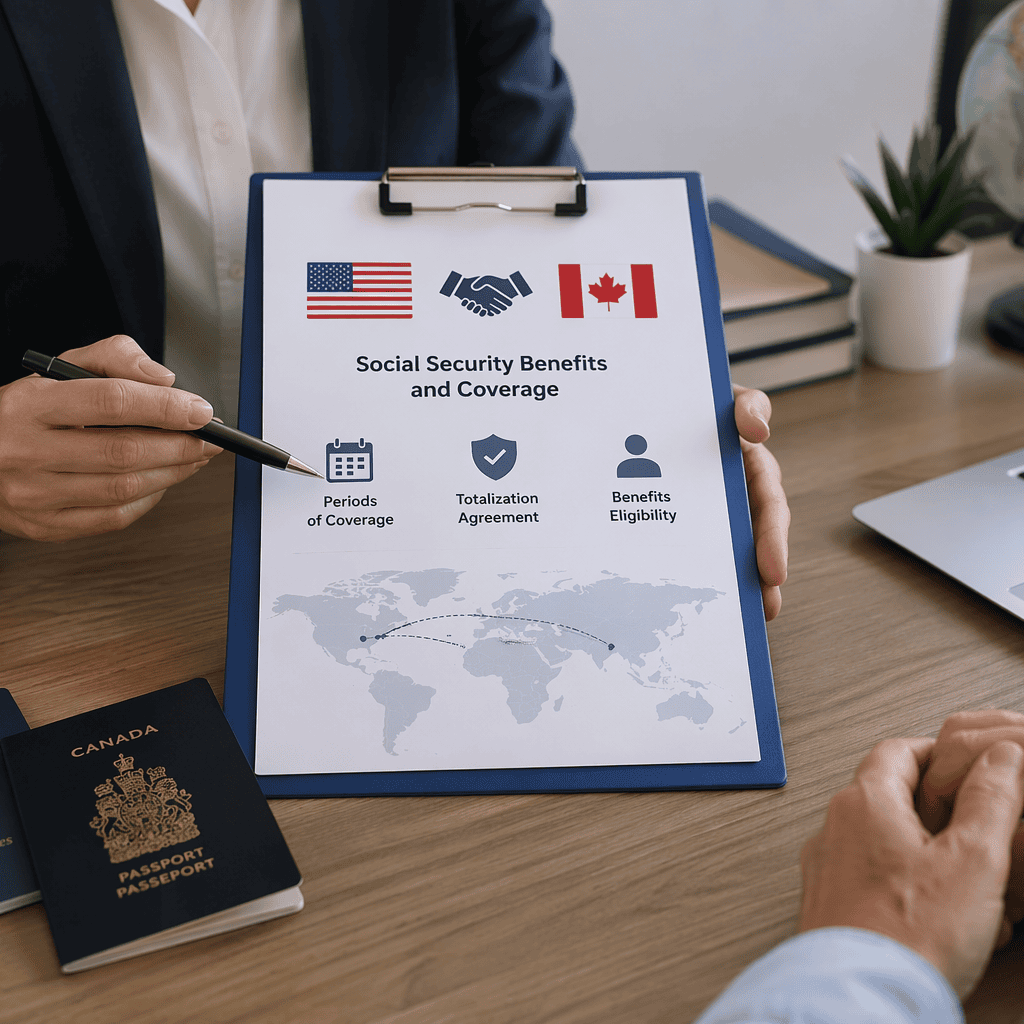
International totalization agreements are legally binding arrangements between two countries. Their main purpose is to coordinate Social Security coverage and benefit rights for people who divide their careers between both nations. Without these agreements, you might find yourself required to pay social security taxes to both countries on the same earnings—a situation often called “dual coverage.” Totalization agreements outline which nation’s system you’ll pay into and, in some cases, how your work in both locations can be combined when determining eligibility for retirement benefits.
Countries involved in agreements
Many developed countries have signed totalization agreements with major economic partners. The United States has such agreements with over 25 countries, including Canada, Germany, Australia, the United Kingdom, and Japan, among others. These arrangements exist mainly between countries with mature social security programs. If you have worked in a country that holds a totalization agreement with your home nation, you could see significant advantages in retirement planning.
Why Do These Agreements Matter?
Purpose behind totalization
The primary aim of totalization agreements is to prevent double taxation of Social Security contributions. Without them, you could pay into two social insurance systems on the same income, an unfair burden for mobile individuals. Totalization also addresses how each country will recognize your work and earnings when the time comes to apply for retirement, disability, or survivor benefits. The agreements seek to make these systems more fair for globally mobile workers.
Impacts on cross-border workers
For those who have transferred within multinational companies, worked overseas on contracts, or lived abroad for personal reasons, the risk of lapses in coverage is real. Totalization agreements mitigate this risk, making it easier to maintain continuous Social Security protection regardless of where you’re working. This can also smooth out complicated transitions between benefit systems if you move from one country to another before retirement.
How Do Totalization Agreements Affect Social Security?
Eliminating dual coverage
A central feature of totalization agreements is deciding which country’s system you contribute to while you’re working. Usually, if you work temporarily (often defined as five years or less) in another country, you’ll continue to pay into your home nation’s system. If your work assignment is longer, you’ll typically switch to the local system. The agreement spells out the rules to avoid double coverage—and double payroll taxes—based on the length and nature of your foreign assignment.
Eligibility for retirement benefits
Even when your career is split across countries, totalization agreements can help you qualify for Social Security benefits. If you do not meet the minimum work requirement in one country, the agreement allows most of your work in both countries to be combined, or “totalized,” to reach eligibility thresholds. This ensures you’re not penalized for dividing your work life between two places, and that your years of international effort contribute toward your retirement security.
Can You Qualify for Benefits in Two Countries?
Understanding benefit coordination
Totalization agreements generally coordinate benefits, but do not duplicate them. If you qualify for Social Security retirement benefits in both countries because you’ve earned enough credits separately, you may be able to receive payments from both systems. However, if you don’t have enough credits in one system, the agreement may use your other country’s work record to help you meet the threshold.
Crediting work history between nations
The agreements typically let you “totalize” periods of coverage—meaning, you can add up your years of work in both countries to satisfy minimum eligibility rules. Still, you won’t be credited for the same period twice. Each country pays a benefit proportional to your actual time in its system. This avoids both under- and over-estimating your entitlement, while making sure all your covered work counts toward retirement.
Common Misconceptions About Totalization
Dual coverage myths
A frequent misunderstanding is that totalization agreements always let you pick the more generous system. In reality, they assign coverage based on where you work and for how long. You usually cannot opt out of the agreement or “cherry-pick” the benefits. The goal is fairness and consistency, not giving preference to one country’s rules over the other.
Social Security payment concerns
Another myth is that being covered by a totalization agreement means losing benefits or paying extra taxes. In fact, these agreements aim to protect your rights—not erode them. As long as you follow the outlined procedures, your eligible work counts toward Social Security, and you’ll never be taxed twice on the same income by both social systems. Payments may be subject to withholding taxes based on residency or citizenship, but this is a separate issue.
Key Considerations for Retirees Abroad
Decision points before moving
If you’re planning to retire—or work—abroad, understanding totalization agreements should be part of your due diligence. Check if your countries of residence and citizenship have an agreement, and which system you’ll be covered under at different stages of your working life. Your future eligibility and the calculation of your benefit depend on your compliance with these rules.
Documenting your work record
Keeping complete and accurate proof of employment matters more in international scenarios. Retirees should maintain detailed records, such as employment contracts and Social Security statements from each country. Inaccurate or incomplete records can delay or complicate benefit claims. Make it a habit to request official documentation after each international assignment.
How to Learn More About Totalization Agreements?
Official resources for further reading
The best sources of information about totalization agreements are official government Social Security websites, such as the U.S. Social Security Administration or the corresponding agency in your country of residence. These sites publish current lists of partner nations, summarize agreement provisions, and provide forms and guides for international workers and retirees.
Professional organizations and support
You’ll also find helpful resources from professional associations focused on global mobility, international human resources, or expat retirement planning. While these organizations do not provide individualized financial or legal advice, they often offer valuable checklists, explainer articles, and informational seminars on navigating cross-border retirement challenges.
International totalization agreements might seem complex at first, but with a methodical approach and reliable documentation, you can protect your Social Security rights across borders. Understanding how these agreements function can empower your retirement planning and give peace of mind no matter where your career or retirement journey takes you.