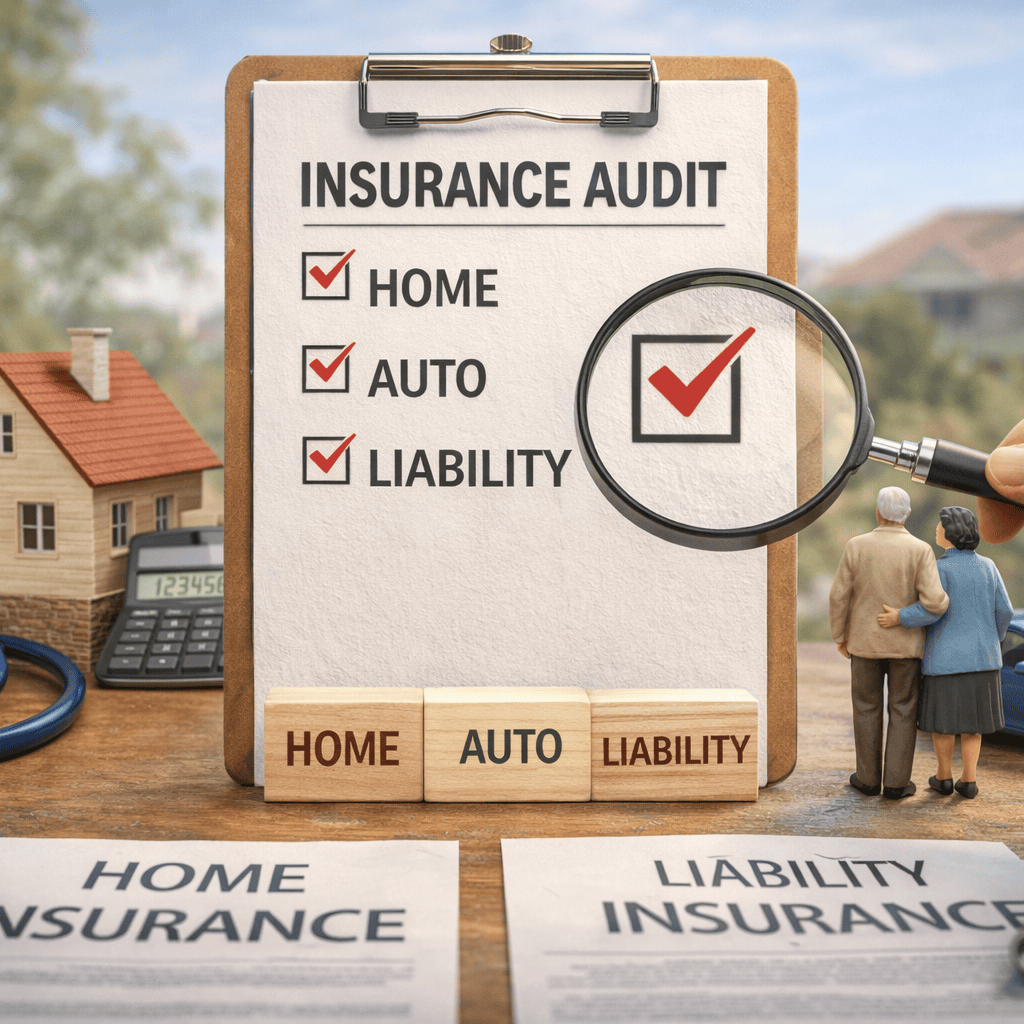
Key Takeaways
- Regular insurance audits help retirees ensure their coverage meets changing needs and reduces the risk of uncovered losses.
- Identifying common insurance gaps and understanding audit steps empowers retirees to maintain secure, appropriate protection.
Retirement often brings new routines, priorities, and living arrangements. Just as your lifestyle shifts, so should your approach to insurance. Reviewing your home, auto, and liability insurance through an audit can help secure the protection you truly need in this stage of life.
What Is an Insurance Audit?
Definition and core purpose
An insurance audit is a careful review of your existing insurance policies with the goal of making sure your coverage matches your current risks and needs. This process isn’t about finding ways to increase or decrease every policy. Instead, it focuses on adjusting coverage to fit your evolving circumstances, especially as you move into retirement.
Typical audit process overview
The audit process generally involves gathering all insurance documents, reading through your current coverage, and comparing what’s in place with your present lifestyle. You’ll look for any recent life changes or property upgrades, review beneficiaries, and check for overlooked risks. Many retirees choose to do this audit annually or after any big life changes, such as moving or changing vehicles.
Why Should Retirees Review Insurance?
Changing needs in retirement
As you transition into retirement, your insurance needs can change significantly. For instance, if you travel more, spend less time driving, or downsize your home, your risks and assets shift. Some retirees may welcome new family members into their household or start spending more time volunteering or pursuing hobbies. All these factors can influence what kinds of insurance protection are necessary.
Risks unique to retirees
Retirees often have fewer dependents, but they can have more assets at stake. Home and savings may make up a larger share of your net worth, and fixed incomes can mean that recovering from an uncovered loss is harder. Understanding the risks specific to this life stage—such as liability when hosting family gatherings or using your car less often—can guide an insurance audit so that you don’t pay for unnecessary coverage or overlook an important risk.
How Does Home Insurance Audit Work?
Reviewing property coverage details
Start by looking at the structure and contents coverage in your home insurance policy. Have you recently remodeled, acquired new valuables, or downsized? Make sure your coverage accurately reflects the current value of your home and belongings. Look for sub-limits on high-value items, such as jewelry or art, and check whether additions—like a finished basement or improved security system—affect your needs.
Assessing liability coverage at home
Liability coverage helps protect you if someone is injured on your property. In retirement, you may host more visitors—grandchildren, friends, or neighbors—so consider whether your liability limits remain appropriate. Some retirees find that increasing this coverage offers peace of mind, especially if they plan to entertain frequently or have added features such as a pool or guest apartment to their home.
What About Auto Insurance Audits?
Adjusting coverage in retirement
Your driving habits likely change once you retire. You might drive less for work but more for leisure or travel. It’s common to reduce certain coverage elements if you’ve eliminated a daily commute, but you’ll want to make sure your liability protection remains strong. Review whether collision, roadside assistance, or uninsured motorist coverages are still relevant to your needs.
Mileage and use considerations
Many insurers adjust rates based on mileage. If you’re no longer driving as much, make sure your policy reflects this change. Also, think about how vehicles are used—are you sharing a car with a family member, or is your car stored for part of the year? Clarifying these details helps ensure you aren’t overpaying or leaving important risks uncovered. Don’t forget to review who is listed as an authorized driver on your policy.
Understanding Liability Insurance Audits
Liability basics for retirees
Liability insurance provides protection if you are found responsible for injury to others or damage to their property. This coverage can exist in different forms—like an umbrella policy or as part of your home or auto insurance. In retirement, you might participate in community groups, serve on boards, or volunteer, which introduces specific risks and exposures.
Audit steps for liability policies
To audit liability coverage, start by listing out activities and assets that could potentially increase your exposure. Then, review the amounts and scope of your coverage in each policy. Make sure there are no gaps—such as professional activities or rental property—that require special consideration. Pay attention to policy exclusions and conditions to avoid surprises in the event of a claim.
Which Insurance Gaps Are Common?
Overlooked areas in coverage
Even diligent retirees can miss coverage in important areas. Common gaps include inadequate liability limits, insufficient coverage for home upgrades, or missing protection for valuable collections. Occasionally, retirees forget to update beneficiaries or don’t realize a change in living arrangements leaves part of their property uninsured.
Potential consequences of gaps
When there’s a gap, retirees can be left responsible for costs that insurance won’t cover—leading to unexpected financial strain. For assets that make up most of your net worth, a missed coverage detail could have long-lasting effects. That’s why regular, careful auditing of all your policies makes such a difference.
How Often Should Retirees Audit Coverage?
Life changes and regular reviews
Insurance needs don’t stay static. Experts recommend reviewing all policies at least once a year, or more frequently if major changes occur—such as moving, acquiring a new car, remodeling your home, or taking up a new hobby. Scheduling a routine check can keep your coverage in sync with your lifestyle.
Resources for self-audit
Many insurers provide checklists for policy reviews. You can also find independent audit templates from nonprofits or public agencies. Keep notes on any changes made or advice given so you have a steady record for future reference. If you feel unsure, unbiased educational resources can supplement your knowledge as you work through a self-audit.
What Documents Do You Need for Audits?
Essential paperwork to gather
Start by collecting your most recent policy documents for home, auto, and liability coverage. Bring in any notes from past renewal periods, receipts for major purchases, photos of valuables, and records of home improvements. If you have coverage through different sources, gather all related paperwork in one place.
Organizing your audit process
Create a system—whether that’s paper files or a digital folder—where you can keep current copies of all insurance policies, claim histories, and documentation of property or beneficiary changes. This organization speeds up the audit, helps spot discrepancies, and makes it easier to update or change policies in the future.