Key Takeaways
- Senior-friendly home modifications enhance safety, comfort, and independence for aging adults.
- Consider financial planning and personal needs before deciding if home modifications align with your retirement goals.
A growing number of adults prefer to remain in their homes as they age—a trend known as “aging in place.” To do so safely and comfortably, many turn to senior-friendly home modifications. Understanding the possible benefits, drawbacks, and financial implications is crucial as you plan for retirement and independent living.
What Are Senior-Friendly Home Modifications?
Definition and common examples
Senior-friendly home modifications are changes made to a living environment to accommodate the unique physical or cognitive needs that can arise with age. These adaptations aim to make daily life easier, more comfortable, and safer if mobility, vision, or strength become limited.
Common examples include:
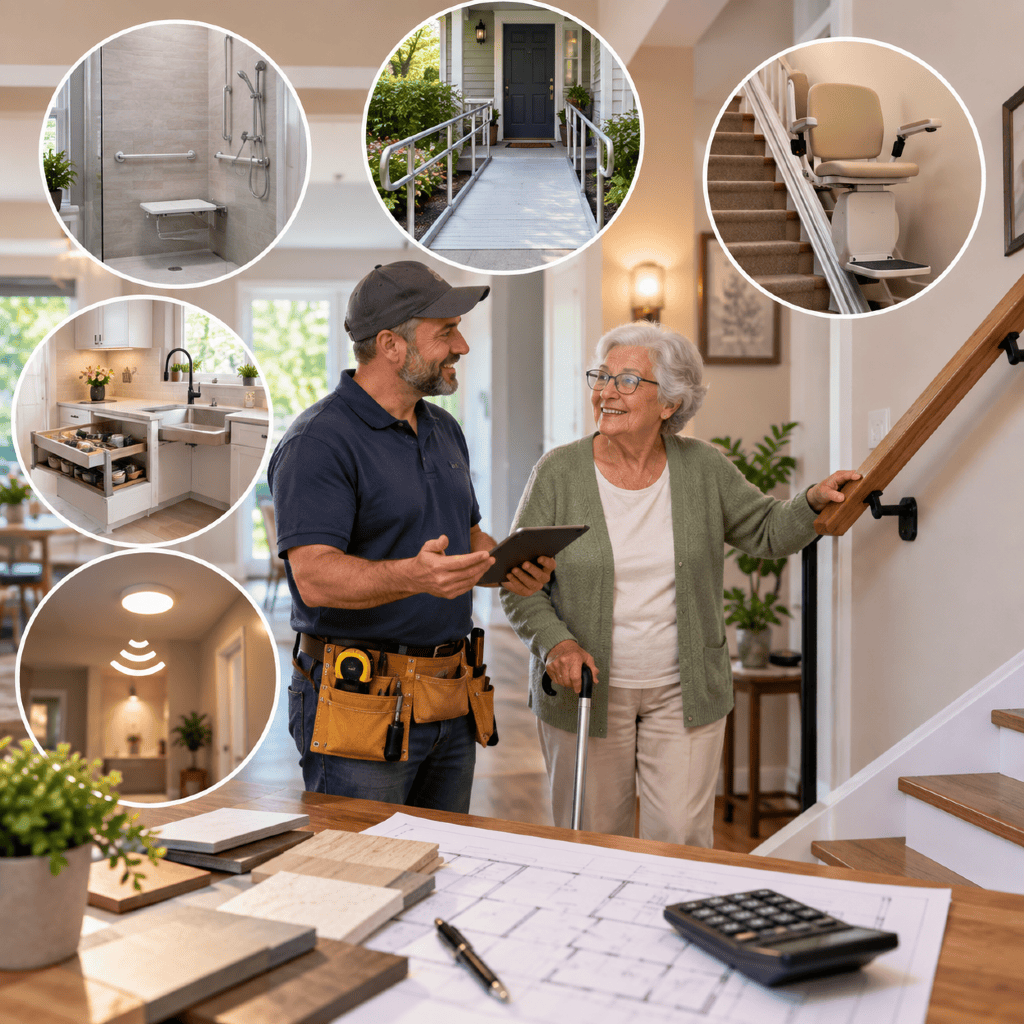
- Installing grab bars in bathrooms
- Adding non-slip flooring
- Widening doors for wheelchair accessibility
- Replacing standard doorknobs with levers
- Improving lighting and reducing clutter to prevent falls
- Adding ramps in entryways or single-level living spaces
These adjustments are often tailored to an individual’s abilities or health conditions, supporting independent living for as long as possible.
Factors driving the need for modifications
Several factors drive the demand for home modifications. Age naturally brings changes in mobility, balance, and strength, increasing the likelihood of falls or injuries around the house. Chronic health conditions or unexpected events such as surgery can speed up the need for a more accessible environment. Additionally, the desire for personal autonomy and staying close to one’s community motivates many to modify their homes rather than relocate.
Why Consider Home Modifications for Seniors?
Aging in place and independence
Aging in place refers to living in your own home and community throughout your senior years, rather than moving to a care facility. Home modifications make this more practical, helping you maintain routines, social connections, and a sense of control over your surroundings. Many adults find that these changes foster independence, allowing them to navigate their homes safely without relying on external assistance for basic needs.
Safety and accessibility improvements
The overwhelming majority of household injuries among older adults are preventable. Modifications such as improved lighting, accessible bathrooms, or step-free entryways directly address hazards that might otherwise restrict mobility or lead to falls. They also facilitate easier movement for anyone using adaptive tools like walkers or wheelchairs, helping you continue daily tasks with confidence.
What Are the Main Benefits?
Enhanced comfort in daily living
Home modifications are designed with ease and comfort in mind. Features such as adjustable countertops, roll-in showers, and seated bathing options not only reduce strain on joints but also make daily routines more manageable. Because these updates cater specifically to changing abilities, you can preserve your quality of life as you age.
Reduced risk of household injuries
Preventing accidents is a core goal of age-friendly home design. By minimizing trip hazards and introducing accessible features, modifications help lower the risks associated with falls or mobility challenges. This, in turn, may lead to improved health outcomes and potentially reduce the need for medical interventions or long-term care.
What Drawbacks Should You Expect?
Short-term disruption during renovations
Any home renovation project may temporarily disrupt your daily routines. Construction noise, restricted access to certain rooms, or the need to relocate furniture can be inconvenient, especially if you remain in the home during the modification process. Planning ahead—such as sequencing the work or staying temporarily with family—may help ease the transition.
Potential limits to home market appeal
While senior-friendly upgrades are valuable to many, they may not align with the tastes or needs of all future homebuyers. Some features, like ramps or widened halls, could make a property less attractive to younger buyers or those without mobility challenges. However, thoughtfully designed modifications (e.g., attractive handrails or removable ramps) can often blend with existing aesthetics and be reversible if desired.
How Do Modifications Impact Retirement Finances?
Budget considerations and planning
Undertaking an age-friendly remodel is a significant financial decision. Costs vary depending on the extent and type of modifications needed, and it’s important to budget accordingly within your comprehensive retirement plan. Consider the potential for savings—improved safety may help you avoid medical bills related to household injuries—and research available resources such as nonprofit programs, grants, or community initiatives that support accessibility upgrades.
Timely planning can also help you prioritize modifications: Start with essential changes, and gradually address less urgent updates as your needs evolve.
Potential effect on future housing choices
Investing in home modifications may influence your long-term housing decisions. For some, these improvements enable extended independence, reducing reliance on assisted living or other care settings. For others, modifying a home may be a transitional step before moving closer to family or downsizing. Weigh how such changes impact your home’s suitability for various stages of retirement and whether they enhance flexibility if future needs arise.
Frequently Asked Questions on Home Modifications
Who can help design a safe home?
Certified aging-in-place specialists, occupational therapists, and experienced contractors are often involved in evaluating your home’s layout and recommending suitable modifications. These professionals use best practice guidelines to ensure adaptations are safe and effective, tailored to your unique needs and the physical structure of your home.
Are modifications reversible?
Some home changes—like installing grab bars or improved lighting—can be removed or replaced relatively easily. Others, such as widened doorways or permanent ramps, may require more effort to reverse or restore. It’s wise to discuss reversibility with your contractor if you are concerned about maintaining future appeal or flexibility.
Are Home Modifications Right for Everyone?
Evaluating personal needs and preferences
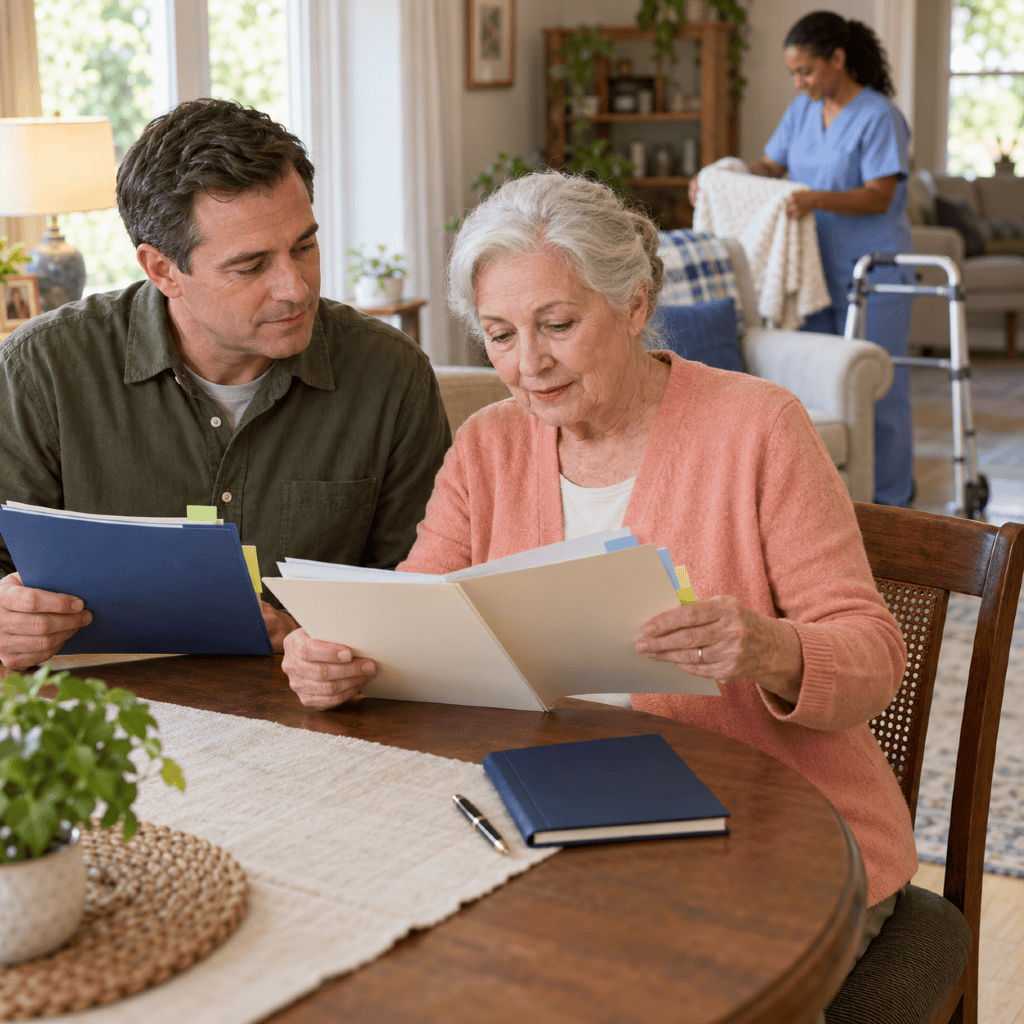
Ultimately, the decision to modify your home should be based on your specific health status, current living arrangements, and anticipated future needs. Reflect on your comfort level with renovation, who will be using the space, and whether you expect to remain in your home long-term. Consulting with family or trusted support networks can also provide perspective as you weigh your options.
Alternatives to modifying a current home
If significant renovations seem unsuitable or overwhelming, there are alternatives to consider. You might opt for a move to an accessible apartment, a smaller home with better accessibility, or a community specifically designed for older adults. Each path has different financial, emotional, and social implications, so compare your options carefully within your broader retirement planning process.