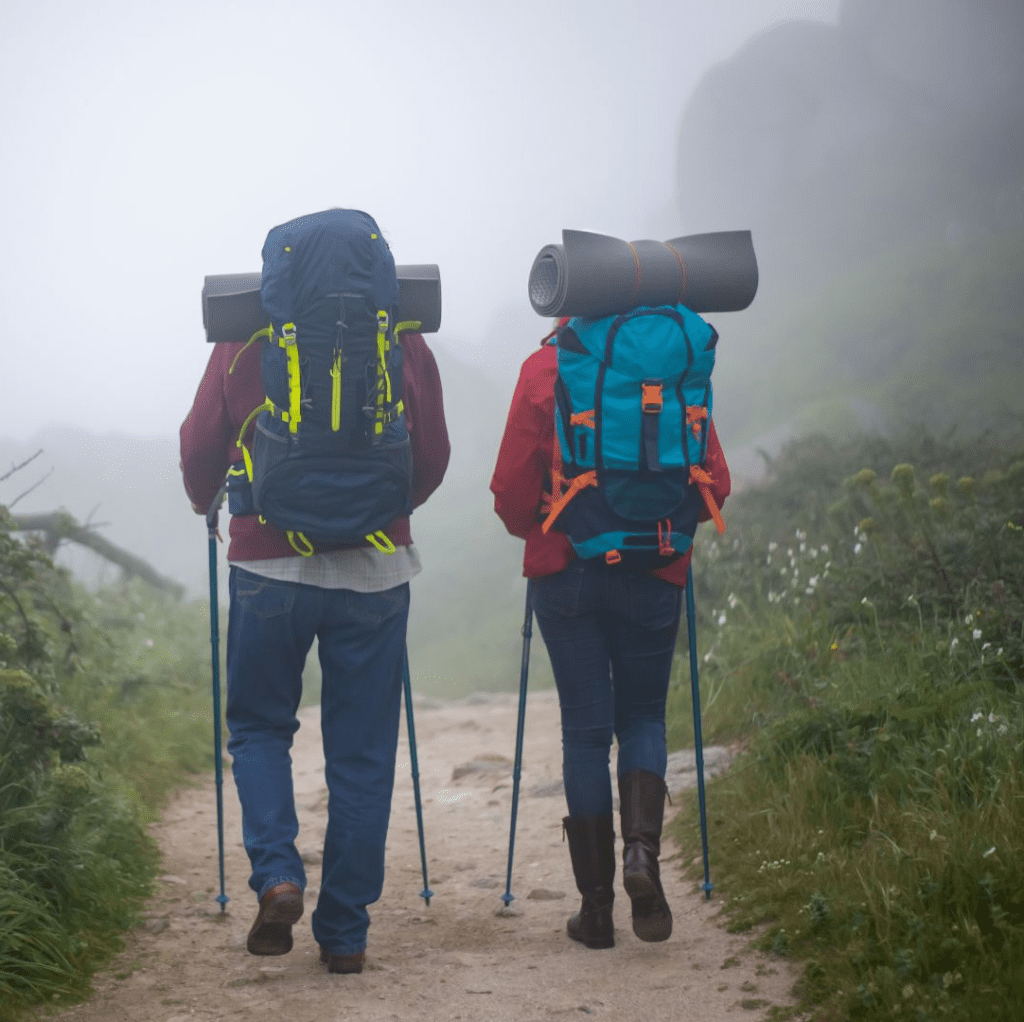
Key Takeaways
- Maintaining a healthy and active lifestyle in retirement enhances overall well-being and longevity.
- Incorporating a variety of activities and balanced nutrition supports physical and mental health.
Stay Fit, Stay Fabulous: Tips for a Healthy and Active Lifestyle in Retirement
Retirement is the perfect time to focus on your health and well-being. With more free time on your hands, you can engage in activities that promote a healthy and active lifestyle. This article offers practical tips to help you stay fit and fabulous during your retirement years, ensuring you enjoy this phase of life to the fullest.
The Importance of Staying Active
Staying active in retirement is crucial for maintaining physical and mental health. Regular physical activity can help prevent chronic diseases, improve mood, and increase longevity. Additionally, staying active keeps you socially engaged and mentally stimulated, contributing to overall well-being.
Benefits of Physical Activity
Engaging in regular physical activity has numerous benefits for retirees, including:
- Improved Cardiovascular Health: Regular exercise strengthens the heart and reduces the risk of cardiovascular diseases.
- Enhanced Mobility and Flexibility: Physical activity helps maintain joint flexibility and muscle strength, reducing the risk of falls and injuries.
- Better Mental Health: Exercise releases endorphins, which can improve mood and reduce symptoms of anxiety and depression.
- Increased Longevity: Staying active is associated with a longer, healthier life.
Finding the Right Exercise Routine
Finding the right exercise routine is essential to staying active and enjoying the benefits of physical activity. It’s important to choose activities that you enjoy and that fit your fitness level.
Low-Impact Exercises
Low-impact exercises are gentle on the joints and ideal for retirees. These activities provide cardiovascular benefits without putting too much strain on the body.
- Walking: Walking is an excellent low-impact exercise that can be done anywhere. It’s easy to incorporate into your daily routine and can be a social activity when done with friends.
- Swimming: Swimming provides a full-body workout without stressing the joints. It’s also a great way to stay cool during hot weather.
- Cycling: Cycling, whether on a stationary bike or outdoors, is a great cardiovascular exercise that’s easy on the knees and hips.
Strength Training
Strength training is important for maintaining muscle mass and bone density, which can decline with age. Incorporating strength training exercises into your routine can help prevent osteoporosis and improve overall strength.
- Weightlifting: Using free weights or weight machines can help build and maintain muscle mass.
- Resistance Bands: Resistance bands are a versatile and portable option for strength training.
- Bodyweight Exercises: Exercises like push-ups, squats, and lunges use your body weight to build strength.
Flexibility and Balance Exercises
Flexibility and balance exercises are crucial for maintaining mobility and preventing falls. These activities help keep your muscles and joints flexible and improve your coordination.
- Yoga: Yoga combines flexibility, balance, and strength training. It can also promote relaxation and reduce stress.
- Tai Chi: Tai Chi is a gentle form of martial arts that improves balance and flexibility. It’s particularly beneficial for older adults.
- Stretching: Regular stretching routines help maintain flexibility and prevent stiffness.
Nutrition for a Healthy Retirement
Nutrition plays a vital role in maintaining health and vitality in retirement. A balanced diet can help manage weight, prevent chronic diseases, and provide the energy needed for an active lifestyle.
Balanced Diet
A balanced diet includes a variety of foods from all food groups to ensure you get the necessary nutrients.
- Fruits and Vegetables: Aim to fill half your plate with fruits and vegetables. They are rich in vitamins, minerals, and fiber.
- Lean Proteins: Include lean proteins such as fish, poultry, beans, and nuts. Protein is essential for muscle maintenance and repair.
- Whole Grains: Choose whole grains like brown rice, whole wheat bread, and oatmeal. Whole grains provide sustained energy and are high in fiber.
- Healthy Fats: Incorporate healthy fats from sources like avocados, nuts, seeds, and olive oil. Healthy fats are important for brain health and hormone production.
Hydration
Staying hydrated is crucial, especially as you age. Dehydration can lead to various health issues, including urinary tract infections, kidney stones, and constipation.
- Drink Water Regularly: Aim to drink at least eight glasses of water a day. Carry a water bottle with you to ensure you stay hydrated throughout the day.
- Limit Sugary Drinks: Avoid sugary drinks like soda and sweetened teas. These can contribute to weight gain and increase the risk of chronic diseases.
Managing Special Dietary Needs
As you age, you may develop special dietary needs due to health conditions or medications. It’s important to tailor your diet to meet these needs.
- Diabetes Management: If you have diabetes, focus on a diet low in sugar and refined carbohydrates. Monitor your blood sugar levels regularly.
- Heart Health: For heart health, limit saturated and trans fats, and focus on foods rich in omega-3 fatty acids, like fish and flaxseed.
- Bone Health: To support bone health, ensure adequate intake of calcium and vitamin D. Dairy products, leafy greens, and fortified foods are good sources.
Mental and Emotional Well-being
Maintaining mental and emotional well-being is just as important as physical health. Staying mentally active and emotionally balanced contributes to a fulfilling and enjoyable retirement.
Mental Stimulation
Engaging in activities that stimulate your brain can help maintain cognitive function and prevent mental decline.
- Puzzles and Games: Activities like crossword puzzles, Sudoku, and board games can keep your mind sharp.
- Reading: Reading books, newspapers, or magazines stimulates your brain and provides a wealth of knowledge.
- Learning New Skills: Taking up a new hobby or learning a new skill can be both enjoyable and mentally stimulating.
Social Engagement
Staying socially active can improve your mental and emotional well-being. Social connections provide support, reduce stress, and enhance your quality of life.
- Join Clubs or Groups: Participate in clubs or groups that interest you, such as book clubs, gardening groups, or exercise classes.
- Volunteer: Volunteering provides a sense of purpose and allows you to give back to the community while meeting new people.
- Stay Connected with Family and Friends: Regularly spend time with family and friends. Social interactions can boost your mood and provide emotional support.
Stress Management
Managing stress is crucial for overall health. Chronic stress can lead to a variety of health problems, including heart disease and depression.
- Mindfulness and Meditation: Practicing mindfulness and meditation can help reduce stress and improve mental clarity.
- Deep Breathing Exercises: Deep breathing exercises can help calm your mind and reduce anxiety.
- Engage in Relaxing Activities: Activities like gardening, knitting, or listening to music can provide relaxation and reduce stress.
Routine Health Check-Ups
Regular health check-ups are essential for early detection and management of health issues. Staying on top of your health ensures you can enjoy an active and fulfilling retirement.
Regular Screenings
Regular screenings can help detect health issues early when they are most treatable.
- Blood Pressure: Monitor your blood pressure regularly to manage hypertension and reduce the risk of heart disease.
- Cholesterol Levels: Regular cholesterol screenings can help manage heart health and prevent cardiovascular disease.
- Diabetes: If you are at risk, regular blood sugar screenings can help manage diabetes and prevent complications.
Vaccinations
Staying up-to-date with vaccinations is important for preventing diseases and maintaining health.
- Flu Vaccine: Get the flu vaccine annually to reduce the risk of influenza.
- Pneumonia Vaccine: The pneumonia vaccine can protect against pneumococcal disease, which can be serious in older adults.
- Shingles Vaccine: The shingles vaccine can help prevent shingles and its complications.
Vision and Hearing Check-Ups
Regular vision and hearing check-ups are important for maintaining quality of life.
- Eye Exams: Regular eye exams can detect vision problems and eye diseases early.
- Hearing Tests: Regular hearing tests can detect hearing loss, allowing for timely interventions.
Achieving a Balanced Lifestyle
Achieving a balanced lifestyle involves integrating physical activity, nutrition, mental stimulation, and social engagement into your daily routine. This holistic approach ensures you stay healthy, active, and fulfilled in your retirement years.
Create a Daily Routine
Creating a daily routine that includes time for exercise, healthy meals, mental stimulation, and social activities can help you maintain a balanced lifestyle.
- Set Goals: Set realistic goals for your physical activity, nutrition, and mental health.
- Stay Consistent: Consistency is key to maintaining a healthy lifestyle. Stick to your routine and make adjustments as needed.
Listen to Your Body
Pay attention to your body’s signals and adjust your activities accordingly. Rest when needed and avoid overexertion.
- Avoid Overexertion: Gradually increase the intensity of your activities to avoid injury.
- Take Rest Days: Allow your body time to recover by incorporating rest days into your routine.
Stay Positive
Maintaining a positive outlook can enhance your overall well-being and help you stay motivated.
- Focus on Enjoyment: Choose activities that you enjoy and look forward to.
- Celebrate Achievements: Celebrate your achievements, no matter how small, to stay motivated and positive.
Staying Active and Healthy
Staying active and healthy in retirement involves a combination of physical activity, balanced nutrition, mental stimulation, and social engagement. By adopting these strategies, you can ensure a fulfilling and vibrant retirement.