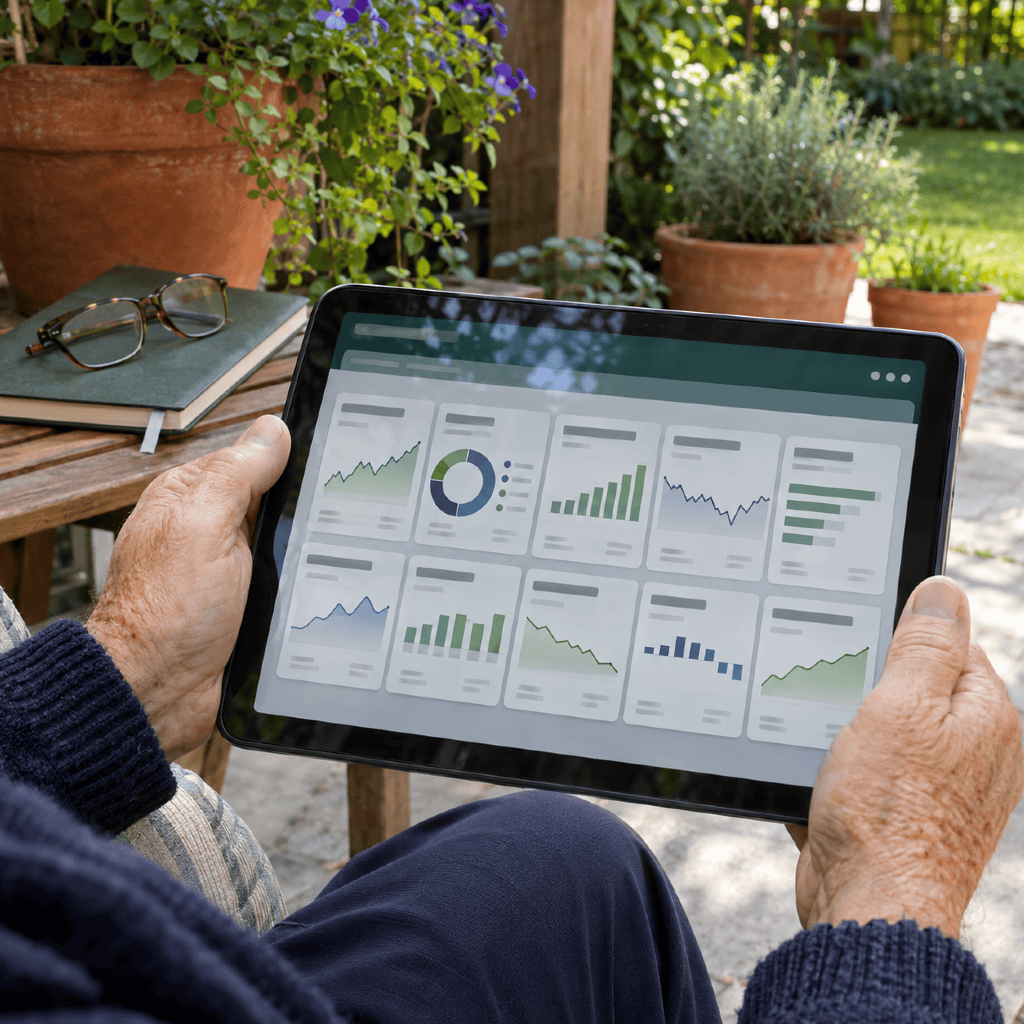
Key Takeaways
- Tracking objective KPIs provides early insight into your retirement portfolio’s stability and sustainability.
- Monitoring these metrics helps you make informed adjustments and plan confidently for your retirement needs.
Most retirees review their portfolio only once a year—yet tracking specific health metrics can signal risks long before a crisis arises. Understanding the key indicators can help you make informed choices and feel more secure about your financial future.
What Are Retirement Portfolio KPIs?
Defining Key Performance Indicators
Key Performance Indicators (KPIs) are measurable values that show whether your plans and strategies are on track. For retirement portfolios, KPIs give you a lens to objectively analyze progress, stability, and overall health.
How KPIs Apply to Retirement
In retirement planning, KPIs signal your portfolio’s capacity to support your lifestyle, adapt to changes, and weather economic shifts. These indicators take the guesswork out of monitoring your nest egg, helping you respond confidently as circumstances evolve.
Why Track Retirement Portfolio Metrics?
Visibility Into Portfolio Health
Without clear metrics, you might overlook warning signs like an unbalanced portfolio or unsustainable withdrawal habits. KPIs provide a snapshot of your investments, savings, and income sources, giving you clearer insight into your progress.
Supporting Better Decision-Making
Regularly assessing KPIs can inform tweaks to your retirement plan—such as adjusting allocations, reviewing withdrawal rates, or exploring income options—so your decisions are rooted in objective data, not just instinct.
1. Asset Allocation Ratios
Measuring Portfolio Diversification
Asset allocation tracks how your investments are spread among stocks, bonds, cash, and other asset types. A well-monitored allocation reduces exposure to risk from any single market or asset class.
Understanding Allocation Shifts
Over time, market performance can shift your original balance. Reviewing your allocation KPIs helps you decide when to rebalance, which may help maintain your risk and return targets.
2. Withdrawal Rate
Sustainable Income Considerations
Your withdrawal rate measures how much you withdraw from your portfolio each year as a percentage of total assets. Monitoring this helps ensure your income rate aligns with realistic expectations for portfolio longevity.
Risks of Overspending
If you withdraw more than your portfolio can support, you risk running out of funds. Tracking this KPI keeps you aware of safe spending levels in relation to your long-term goals.
3. Savings Rate Over Time
Impact of Consistent Saving
For those not yet retired, tracking your savings rate over time shows how steadily you’re adding to your nest egg. Persistent saving typically strengthens your foundation for later withdrawals.
Adjustments as You Approach Retirement
As retirement nears, your savings approach may change. Monitoring this KPI allows timely adjustments, whether you need to save more or shift focus to income planning.
4. Portfolio Longevity Estimate
What Impacts Portfolio Longevity?
Portfolio longevity estimates how long your assets are expected to last based on withdrawal rates, investment returns, and anticipated expenses. This KPI factors in market volatility, inflation, and lifestyle costs.
Assessing Longevity Regularly
Regular longevity reviews help you anticipate if and when you might need to adjust spending or investment strategies.
5. Income Sustainability Ratio
Aligning Withdrawals With Needs
This ratio compares your ongoing portfolio withdrawals to your projected long-term needs. It indicates if your current distribution pattern is likely to remain viable as you age.
What Can Affect Sustainability?
Unexpected expenses, market downturns, or lifestyle changes can shift this ratio. Tracking it encourages proactive, informed responses to change.
6. Inflation Adjustment Tracking
Protecting Purchasing Power
Inflation can erode the value of your savings. This KPI helps quantify how well your retirement plan keeps pace with rising living costs, adjusting for price increases in essentials.
Ways to Monitor Inflation Impact
You can compare the growth of your income and portfolio to inflation indices, identifying gaps early so you’re not caught off guard by reduced purchasing power.
7. Required Minimum Distributions Status
Rules for Retirement Plan Distributions
Many retirement accounts require you to begin taking required minimum distributions (RMDs) at a certain age. These IRS-mandated withdrawals help regulate the pace at which you access tax-advantaged accounts.
How to Track RMD Requirements
Monitoring this KPI helps you stay compliant with tax laws. It ensures timely withdrawals and can alert you to potential tax liabilities if you miss RMDs.
8. Social Security and Pension Integration
Coordinating Retirement Income Sources
Integrating income streams, like Social Security and pensions, with portfolio withdrawals can strengthen your plan’s durability. Tracking this KPI reveals how these sources cover essential expenses versus discretionary ones.
Timing and Benefit Tracking
Staying aware of when income sources begin, and the rules around benefit timing, ensures optimal coordination between your portfolio and fixed benefits.
9. Tax Efficiency Metrics
Different Approaches to Tax Management
Tax efficiency KPIs measure how you manage withdrawals—from which account types, and in what sequence—to help minimize tax consequences over time within legal limits.
Why Tax Diversification Matters
Spreading investments across taxed, tax-deferred, and tax-free accounts may offer more control and flexibility in retirement, and this KPI can help highlight that.
10. Sequence of Returns Risk
What Is Sequence of Returns Risk?
This risk refers to the order in which market returns occur, especially during early retirement years. Poor returns early on may substantially reduce your portfolio’s ability to last throughout retirement.
Strategies to Reduce Impact
Tracking this KPI brings awareness to potential timing-related pitfalls and may encourage safeguards such as flexible withdrawals or adjusting spending when markets are down.
How Often Should You Review KPIs?
Setting a Review Schedule
Most retirees review portfolio metrics at least annually, but semi-annual or quarterly check-ins can offer greater agility—especially as retirement circumstances change.
Responding to Life Changes
Major events—like a health crisis, family need, or move—may require extra reviews to ensure your portfolio’s metrics remain aligned with your new situation.
What If Your KPIs Are Off Track?
Recognizing Warning Signs
Sudden shifts in asset allocation, rising withdrawal rates, or lagging income ratios can indicate trouble. Well-defined KPIs help you catch these red flags early.
Steps to Reevaluate Portfolio Health
If your metrics are drifting, consider reviewing spending habits, reassessing time horizons, or evaluating whether greater diversification or expense management is warranted.
Are Retirement KPIs Right for Everyone?
Different Needs for Different Households
No two households have identical retirement objectives. KPIs should reflect your personal goals, risk tolerance, and income needs, and may look different for each person or family.
Possible Limitations to Consider
While KPIs support disciplined monitoring, they are not absolute predictors. External events, policy changes, and personal life shifts may require changes beyond what KPIs alone can capture. Use these metrics as guides—never as guarantees.