Key Takeaways
- Telehealth offers retirees convenient access to healthcare, reduces travel, and can improve care coordination, especially when travel or mobility are challenging.
- Understanding coverage, assessing technical needs, and evaluating personal health considerations are crucial for making the most of telehealth as a retiree.
Many retirees now use telehealth. Discover how it can streamline your healthcare experience in retirement. As healthcare increasingly transitions to digital platforms, telehealth offers new ways for retirees to manage their health from home. Here’s a thorough, unbiased look at telehealth’s place in retirement.
What Is Telehealth for Retirees?
Defining Telehealth Services
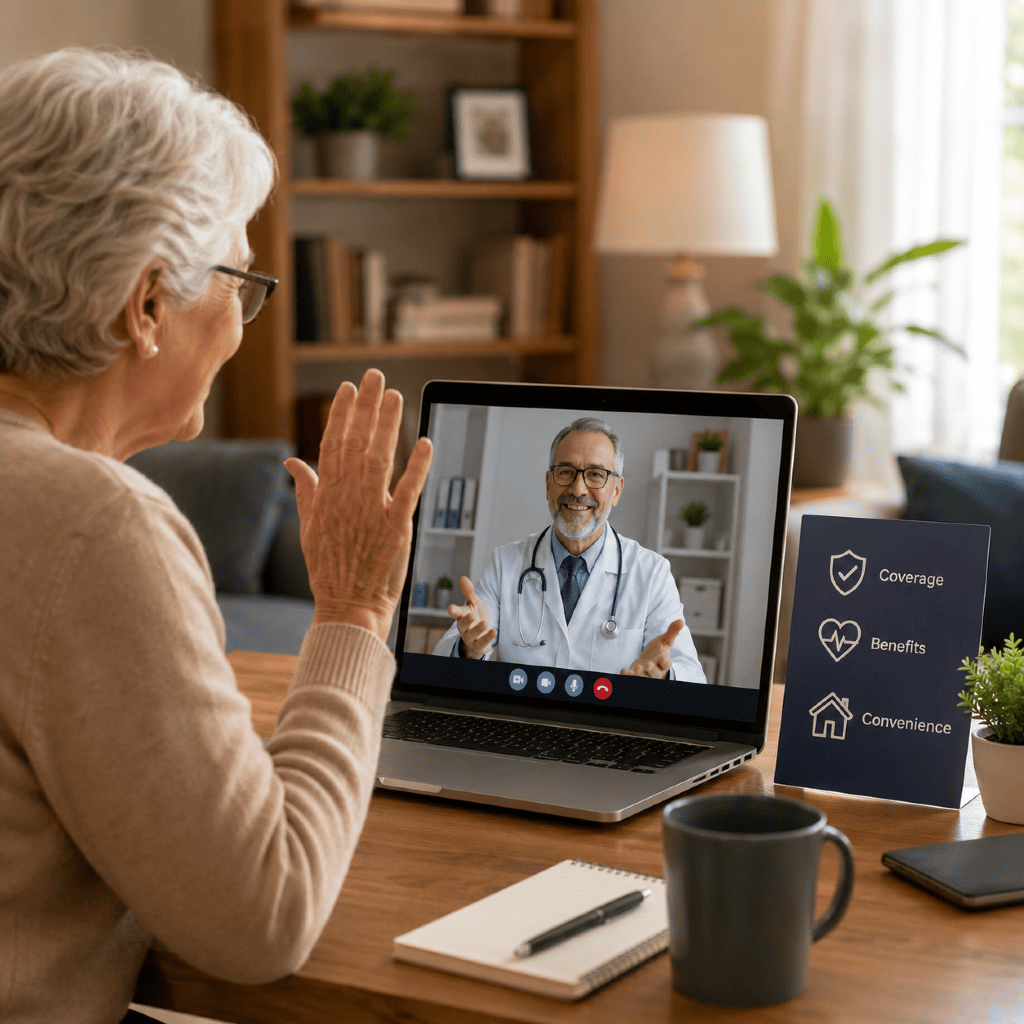
Telehealth refers to the use of technology to provide healthcare services remotely. For retirees, telehealth may include video calls with primary care doctors, online specialist consultations, remote monitoring of chronic conditions, and digital prescription management. These services rely on secure digital platforms, allowing you to receive care and advice without traveling to a provider’s office.
Telehealth can also include:
- Scheduled follow-ups by phone or video
- Access to online patient portals for lab results and secure messages
- health monitoring through connected devices like blood pressure cuffs or glucose monitors
Telehealth’s Evolution in Retirement
Telehealth has grown significantly, especially in recent years. What was once a niche option for remote areas is now part of mainstream retirement healthcare. Advances in video conferencing technology, expanded coverage through public retirement health plans, and a focus on care continuity mean you may now find telehealth integrated into much of your post-retirement medical care.
How Does Telehealth Coverage Work?
Coverage Through Retirement Health Plans
If you’re retired, your health coverage may include access to telehealth services. Most traditional retirement health plans, including those offered through public benefit programs, have added or expanded telehealth options in recent years. Coverage can include primary care visits, certain specialist appointments, mental health services, and support for chronic disease management.
Importantly, the details vary depending on your specific retirement health plan. For example, some plans require you to use designated telehealth service providers, while others allow you to connect directly with your existing healthcare network. Always review your plan’s materials or summary of benefits to confirm which telehealth services are available to you.
Common Appointment Types Covered
Retirement health coverage typically includes a variety of telehealth appointment types, such as:
- Routine check-ups and urgent care visits
- Mental or behavioral health consultations
- Follow-up appointments after hospital stays
- Prescription reviews and medication management
- Ongoing support for chronic conditions
These virtual services are designed to supplement, not replace, necessary in-person care. They provide a convenient way to maintain your health between regular office visits, especially if you have limited mobility or live far from your primary clinic.
What Are the Main Telehealth Benefits?
Convenience and Travel Reduction
One of the most recognized benefits is the ability to receive care without leaving your home. For retirees, this minimizes travel, saves time, and can be especially valuable during periods of limited mobility or bad weather. It also reduces potential exposure to illness in crowded medical offices.
Enhanced Access to Specialists
Telehealth makes it easier to reach medical specialists who may not have local offices in your community. With a virtual visit, you can connect to a broader range of experts in areas such as cardiology, endocrinology, or geriatric care. This can be particularly helpful if you have unique health needs that require specialized input.
Care Coordination Improvements
Telehealth platforms often integrate with electronic health records, which helps keep your healthcare providers connected and up to date. This improved coordination is particularly useful if you manage multiple conditions or see several different providers. Your care team can share results and updates quickly, supporting a more collaborative approach to your health.
Are There Limitations to Consider?
Technical and Digital Access Needs
To use telehealth effectively, you’ll need access to a phone, tablet, or computer with internet connectivity. Some retirees may find it challenging to navigate digital devices or secure reliable internet access, especially in rural areas. These technical barriers can create frustration, but many providers now offer technical support and training to help you get started.
Potential Care Limitations
While telehealth can address many common medical issues, it isn’t suitable for everything. Emergencies, certain physical exams, diagnostic tests, and procedures still require in-person visits. It’s important to recognize when face-to-face care is needed, and reputable telehealth providers will encourage you to seek in-person attention when appropriate.
How Do You Start With Telehealth?
What You’ll Need for Your First Visit
Getting started typically requires a device (smartphone, tablet, or computer), a secure internet connection, and sometimes an email address to register with your provider’s telehealth platform. You may also need to download a specific app or access a secure website.
Before your appointment, make sure:
- Your device is charged or plugged in
- Internet connectivity is reliable
- The audio and camera functions are working
- You have any necessary medication lists or recent health information handy
Preparing for a Telehealth Appointment
Before your first session:
- Write down questions or symptoms you want to discuss
- Have relevant health information, such as medication lists or recent readings from monitoring devices, nearby
- Test your connection, camera, and microphone
- Find a quiet, private place for your appointment
During the virtual visit, don’t hesitate to ask your provider to repeat or clarify information. Taking notes can also make it easier to remember advice and next steps.
Is Telehealth Right for Every Retiree?
Assessing Health and Lifestyle Fit
Whether telehealth is a good fit depends on your personal health, comfort with technology, and the types of care you need. If you have stable, manageable health conditions or need ongoing support for chronic disease, telehealth can be a strong complement to your existing routine. However, if you require frequent physical exams or complex in-person care, you may use telehealth primarily for occasional check-ins.
Options for Hybrid Care
Many retirees now prefer a hybrid approach—combining telehealth for routine follow-ups or consultations with in-person visits for comprehensive exams and procedures. This model offers flexibility, letting you and your provider decide the best setting for each aspect of your care without being tied to one method exclusively.