Key Takeaways
- Retirees face distinct identity theft risks that require proactive protection and awareness.
- Recognizing signs of fraud and adopting safe habits help secure retirement accounts and personal data.
Identity theft remains a pressing concern for those in retirement, with individuals over 60 increasingly targeted by scams and fraud in recent years. Understanding the unique risks you face—and how to proactively address them—can help protect your hard-earned retirement savings and ensure your peace of mind.
What Is Identity Theft for Retirees?
Common Ways Identity Theft Occurs
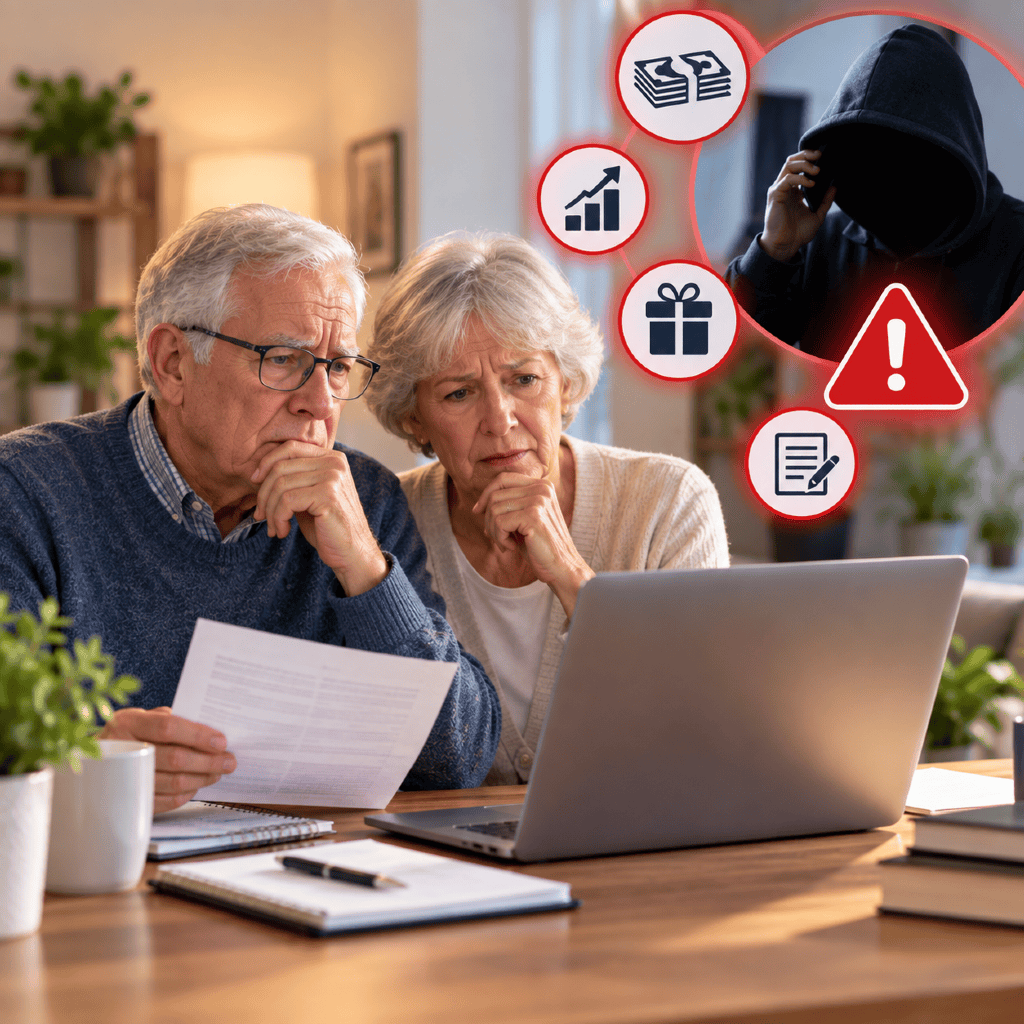
Identity theft takes many forms, but at its core, it’s the unauthorized use of your personal information—like your Social Security number or account credentials—to commit fraud. Common tactics include phishing emails, phone scams (posing as government agencies or service providers), retrieving discarded documents (“dumpster diving”), and stealing mail. With more retirees adopting digital tools, online scams through fraudulent websites or deceptive pop-ups are also increasing.
Why Retirees May Face Greater Risk
You could be at greater risk in retirement due to multiple factors. Retirees often manage more paperwork (such as Social Security communications or retirement account statements), making them attractive to fraudsters. Consistent sources of income, like pensions or Social Security benefits, also make retirees prime targets. In addition, retirees may not always be aware of the latest digital threats, leaving potential vulnerabilities.
Why Should Retirees Prioritize Identity Protection?
Protecting Retirement Income Sources
Your retirement accounts contain the savings you rely on for day-to-day expenses and future needs. If your identity is stolen and accounts are accessed, funds might be withdrawn or misused before you’re even aware of the breach. This can disrupt planned cash flow and introduce significant stress at a time when financial stability is paramount.
Potential Long-Term Impact of Fraud
The consequences of identity theft can persist for years. Reclaiming a stolen identity is a complex and lengthy process, often involving multiple agencies and proactive monitoring. Additionally, fraud can reduce confidence in digital platforms and make you hesitant to use valuable resources that simplify money management or healthcare access.
How Can Retirees Recognize Identity Theft?
Warning Signs to Watch For
Early detection begins with awareness. Common red flags include unexpected withdrawals from your bank or retirement accounts, unfamiliar charges on statements, bills or mail for services you never requested, being denied credit unexpectedly, and receiving calls about unfamiliar debts. Notices from the IRS about unreported income or duplicate tax filings are also signals that your information may have been compromised.
Early Detection Strategies
It helps to check account statements regularly—monthly or even weekly—for unusual activity. You may also consider setting up alerts with your bank or account providers, which notify you about large transactions or changes to your account. Monitoring your credit report several times a year (free annually through official channels) allows you to spot unauthorized accounts or inquiries.
Which Steps Help Prevent Identity Theft?
Strengthening Personal Information Security
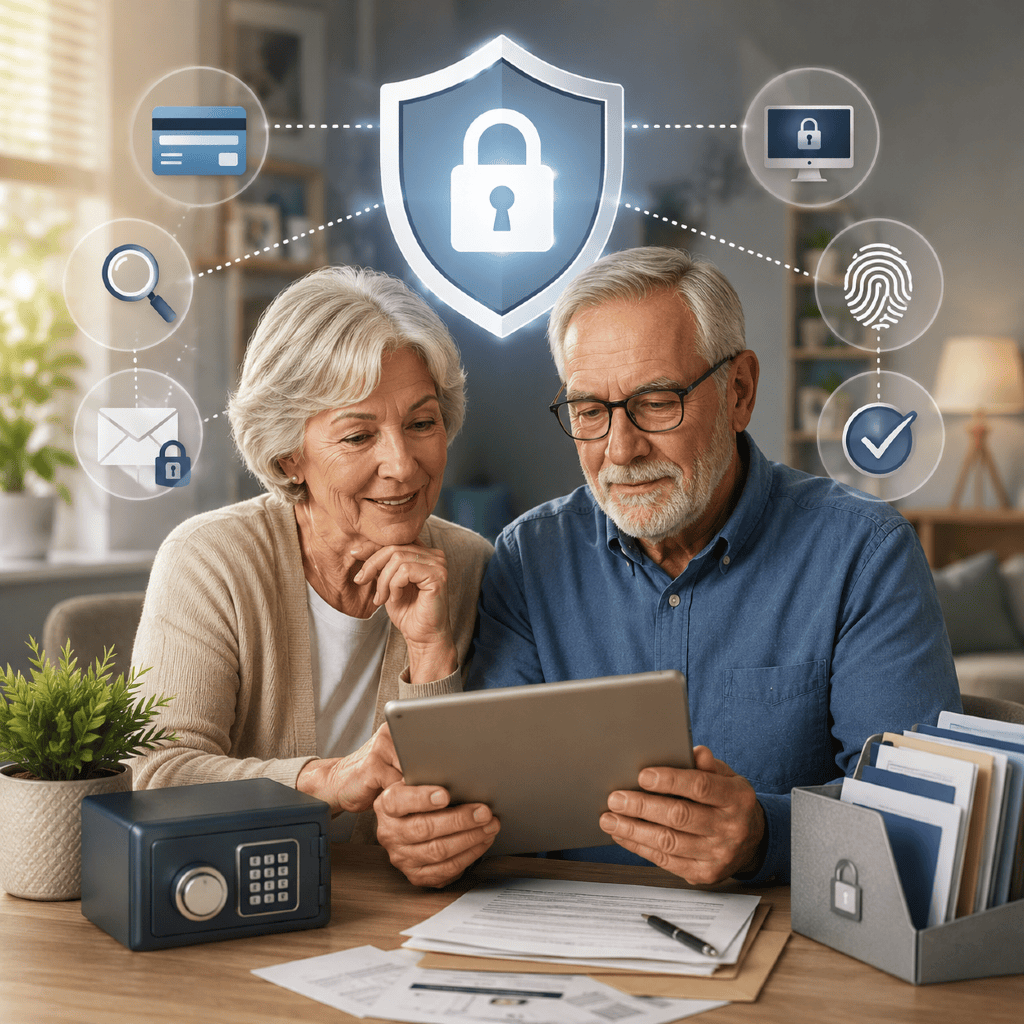
Begin by protecting sensitive documents at home: store Social Security cards, medical records, and financial statements in a locked place. Shred documents before disposal rather than just trashing them. For digital information, use unique and strong passwords for all online accounts, and activate two-factor authentication whenever available. Never share personal details—especially your Social Security number—over the phone or through email unless you have confirmed the recipient’s identity.
Safe Practices for Online and Offline Activities
When online, avoid clicking on unfamiliar links or attachments in emails—even if messages look official. Always use secure networks (avoid public Wi-Fi for banking or sensitive tasks), and log out of online accounts when finished. Offline, retrieve mail promptly to prevent theft and use a locked mailbox if possible. Be wary of unsolicited calls requesting verification of private information and don’t be pressured by threats or urgent warnings.
What If Identity Theft Happens?
Reporting and Documenting the Issue
If you suspect your identity has been stolen, act quickly. Document unusual activities and contact the necessary organizations: your bank, credit bureaus, Social Security Administration, and, if needed, your local law enforcement. A written record of conversations, dates, and steps taken will help demonstrate the scope of the issue and support ongoing resolution.
Protecting Your Retirement Accounts
Ask your financial institutions to freeze or closely monitor affected accounts while the issue is investigated. Changing your passwords, updating account recovery options, and monitoring subsequent statements are all prudent actions. For retirement accounts specifically, inquire about any additional protective measures offered—such as enhanced authentication or restricted withdrawals.
How Can Retirees Stay Informed and Prepared?
Educational Resources for Retirees
Stay up to date by using trusted, government-backed resources and nonprofit organizations dedicated to consumer protection. The Federal Trade Commission and similar agencies offer guides and updates on emerging scams. Many community centers, libraries, and senior advocacy groups now offer workshops or written materials on safe digital habits tailored to retirees.
Staying Updated on Scams and Prevention
Subscribe to newsletters from reputable organizations focused on aging or financial well-being. They provide timely alerts about scam trends or known fraud campaigns targeting retirees. Some online forums and support groups also share firsthand experiences that may help you recognize and avoid similar pitfalls.
Are There Any Identity Protection Myths?
Common Misconceptions Explained
A common myth is that identity theft only happens online or to those who are careless. In truth, even careful retirees who use strong passwords and avoid sharing information can be targeted by sophisticated techniques that trick even savvy consumers. Another misconception is that a small loss is harmless—but any breach should be taken seriously, as it can open doors to larger issues.
Practical Awareness for Retirees
You don’t need advanced technology skills to protect yourself. Simple, consistent habits—like checking statements and questioning requests for sensitive data—form the backbone of effective identity theft prevention. Staying informed and alert aids in maintaining control over your financial future, regardless of how scams may evolve over time.